• It may be somewhat obsolete, but for 20,098 euros and with an ECO label, this SUV wants to be a good option in 2023

    Extending the commercial life of a car can be good or bad, depending on how it has aged and how outdated it feels compared to competitors and other brand products. In this limbo is the Kia Stonic, a small SUV that has been on sale since 2017, causing it to feel somewhat outdated compared to other offspring of the Korean firm. However, it holds rate well enough to be valued as a buy, especially when we find out that it can be ours for 20,098 euros and with an ECO label.
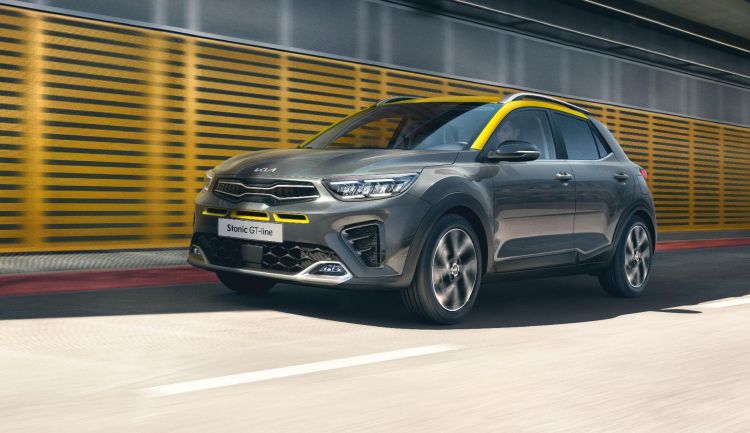
    It’s fair to say that the version to be analyzed of the Kia SUV is not the most affordable, being able to opt for an access with an 84 CV atmospheric engine for 18,450 euros. However, and taking into account how the times are, we have found the next leap within the range of the Kia Stonic more interesting.

    This is the Kia Stonic that, with an ECO label and for just over 20,000 euros, can be yours

    And although it is true that 20,000 euros for a B-segment SUV may be enough, we must know that this price can become more expensive depending on the engine and finish chosen. That is why, in order to keep the Kia Stonic at 20,098 euros, we must choose for the 1.0-liter mild-hybrid engine and the Concept trim.

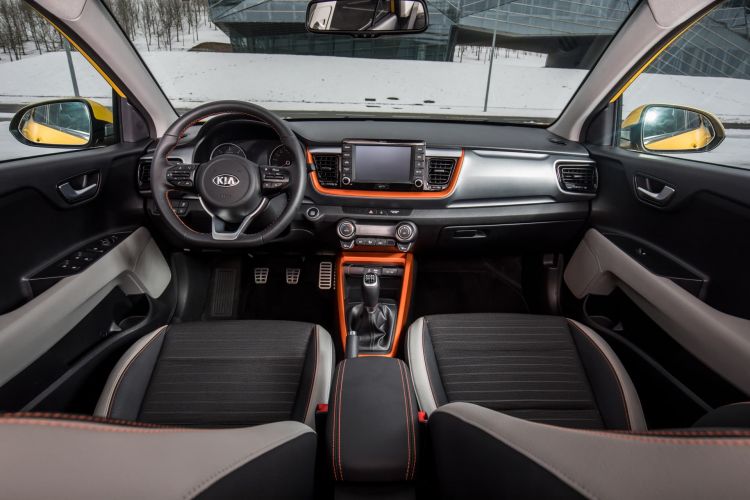
    This involves standard equipment consisting of 16-inch wheels, light sensor, LED lights, 8-inch screen with connection to Apple CarPlay and Android Auto, cruise control, air conditioning, and front fog lights, among others.
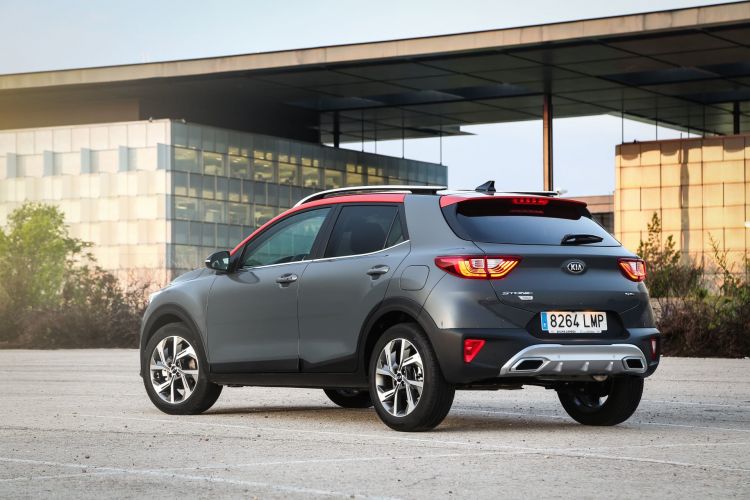
    In terms of mechanics, the Stonic that concerns us today boasts a 1.0-liter three-cylinder engine supercharged by a turbo that produces 101 hp and 172 Nm of torque. These are figures that are managed by means of a six-speed manual gearbox, and allow 0 to 100 in 10.7 seconds and a maximum speed of 183 km/h. But its main asset lies in the MHEV system that includes the Korean SUV, which allows it not only to enjoy the DGT ECO label, but also to declare combined consumption of 5.5 liters per 100, although yes, under the WLTP cycle.

    And it is for all this that Kia asks, in cash, 20,098 euros, a figure that can increase to 26,023 euros required by the Stonic 1.0 T-GDI with 120 hp and GT-Line finish. Now, is the Kia Stonic really the best buy in the segment in which it falls?
    The Kia Stonic in What car do I buy?

    To find out we can go to What car do I buy?, the comparator of Diariomotor where we find the largest offer of new cars and secondhand. And it is that we must know that this last alternative is very logical for those who want a Kia Stonic but do not have enough budget for a new one.

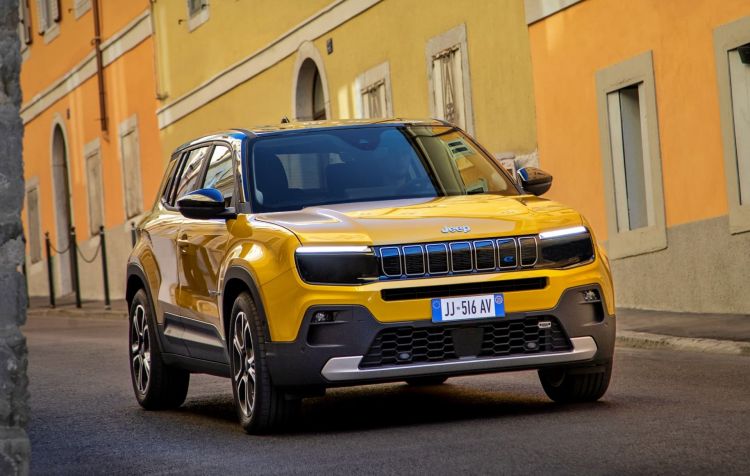
    Be that as it may, among the alternatives to the Stonic in the new market we find a Hyundai Bayon for a very interesting 15,540 euros. Another plausible option is the SEAT Arona, a model that can be ours for 17,600 euros. And if we want something fresher and more current we can opt for the new Jeep Avenger, available for 21,800 euros.
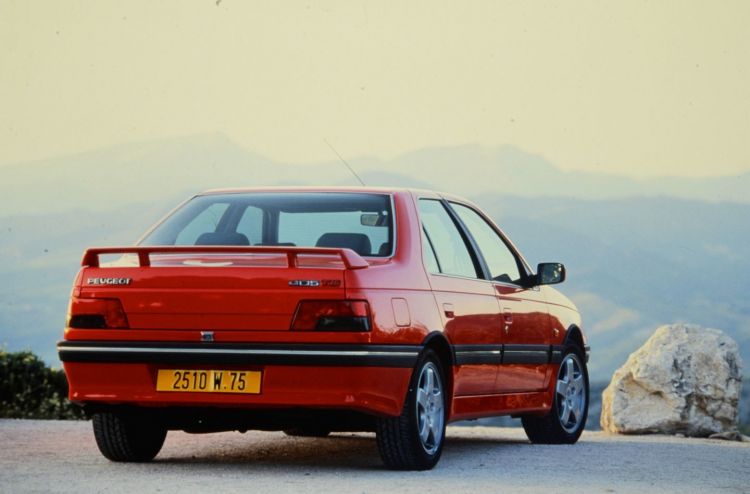
  • The Peugeot 508 PSE will never be as special as the 405 T16

    The Peugeot 508 Peugeot Sport Engineered – abbreviated as 508 PSE – brand Peugeot’s return to the kingdom of sports sedans. A market niche that it abandoned in 1995, when production of the Peugeot Mi16 and T16 ceased. It’s been 25 years since Peugeot has been absent from the sports saloon market, focusing on compacts and sport utility vehicles. 2020 marks the return to high-flying sedans with a 360 hp plug-in hybrid. A formula whose success remains to be seen, for a car, which it will never be as special as the spectacular Peugeot 405 T16.

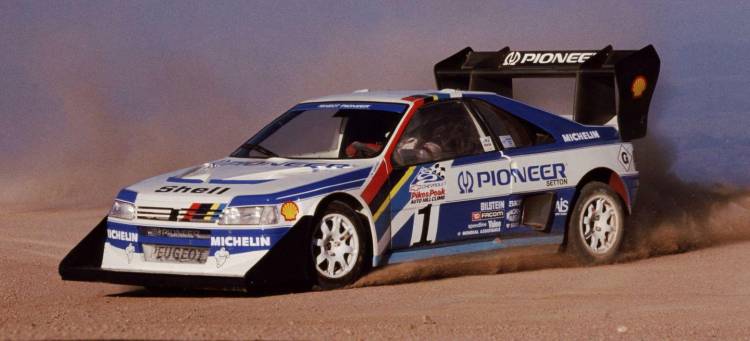
    The history of the last great sports sedan from Peugeot, launched on the market in 1993, begins with the launch of the Peugeot 405 in 1987. And it begins with the creation of the herculean Peugeot 405 Turbo 16 by Peugeot Talbot Sport. The Peugeot racing team, led by Jean Todt, created a monster with coupé body and mid-rear engine designed for uphill competitions like Pikes Peak. It had all-wheel drive, 660 CV, and a technical base really similar to the Peugeot 205 Turbo 16 that had competed until 1986 in Group B.

    The competition 405s were called Turbo 16, the street ones, for short, “T16”.

    In addition to giving us such iconic shorts as Ari Vatanen’s “Climb Dance” – commemorating the record ascent of the year 1988 – this development also participated in two Paris-Dakar, winning the 1989 and 1990 editions. In fact, it was so successful that it formed the basis for the Citroën ZX Rally Raid, which would win the Dakar four times during the 1990s. What is this lesson in the history of French competition? To what Peugeot needed to homologate its competition 405 with a street carand the truth, they were frankly late.

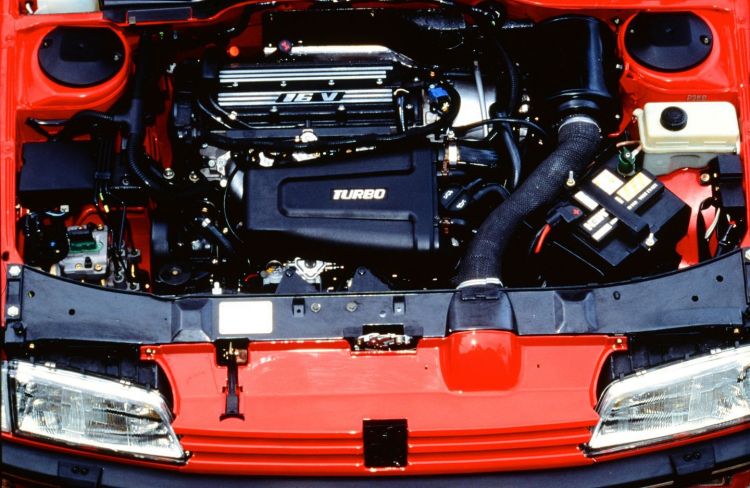
    But as the saying goes, better late than never. So neither short nor lazy, they launched a street Peugeot 405 T16 on the market, with which the brand’s participation in all competitions to date was approved. The soul of the Peugeot 405 T16 was its engine, known as XU10J4TE. Was a 2.0-litre 16-valve four-cylinder, supercharged by a variable geometry turbo. This engine developed 196 hp with the turbo blowing at 1.0 bar, but with its overboost function and a boost pressure of up to 1.3 bar, it reached the 220 hp.

    With a top speed of 235 km/h, they were really fast sedans. Up there with the best of Germany.

    Its torque went from 288 Nm to 318 Nm with the overboost activated – a function that lasted a maximum of 45 seconds – and 0 to 100 km/h was 7.0 seconds, according to the catalog. An impressive figure for the year 1993, when it was launched in T16, coinciding with the facelift of the Peugeot 405. However, many owners admitted that the car was even faster in reality. Many tuners took advantage of the solidity of the engine block, achieving powers of more than 350 CV without the need to reinforce the internal components of the engine.

    For the rest, the other defining element of the Peugeot 405 T16 was its permanent all-wheel drive system. A system that used a central viscous coupling as a central differential, achieving a fixed 53/47 power split. Its gearbox was a five-speed manual box, equipped with a reinforced flywheel and a stronger clutch disc. And this is where the inconsistencies and exceptions in the information available about this Peugeot begin, always speaking at a technical level.

    It was one of the first cars in history to use a variable geometry turbo, a Garrett VAT25.

    There is evidence that some units mounted a self-leveling hydropneumatic rear axle – identical to the exotic Peugeot 405 Mi16x4 – and there is talk that some units mounted Torsen differentials on both axes. There’s also discrepancies in terms of engine power level. All this only increases the “legend” of this car, which is rumored to have been a kind of mobile laboratory for certain technologies, without much control over it from the directive. Only 1,061 units were built between 1993 and 1995.

    Of this total – communicated by Peugeot, and inconsistent with other sources – it is known that 46 units were delivered to the French Gendarmerie. These units were intended for quick interventions and had much more basic equipment than the rest, with cloth seats and body kits identical to those of the rest of the 405 to go more unnoticed. Authentic sleepers, in short. Why the 405 T16, to trained eyes, were special cars. Its body kit designed by Pininfarina, its 16-inch wheels… it wasn’t exactly a 405 GL.

    Weighing just 1,340 kilos and sporting suspension, it was an agile and fast car on twisty sections.

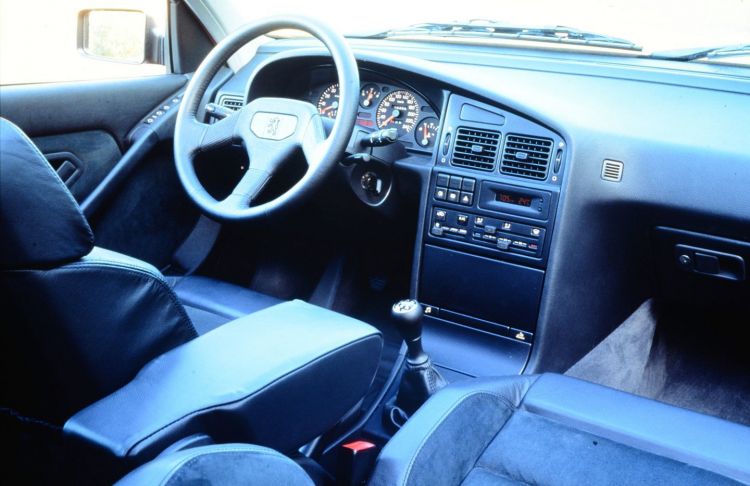
    Its standard equipment was opulent, with electric sports seats, climate control, sports steering wheel and highly detailed instrumentation. It was, in short, the most that Peugeot could offer at the time, in a street car – in terms of sportiness. A very special car, a car unrepeatable, born from the technical need to standardize participation in competition of their “Zumosol cousins”. A car that has nothing to do with the Peugeot 508 PSE, which, no matter how good a car it is, will never become as special as its direct predecessor.

  • Although the Ineos Grenadier has opted for it, it will take a long time to see this hydrogen-powered SUV

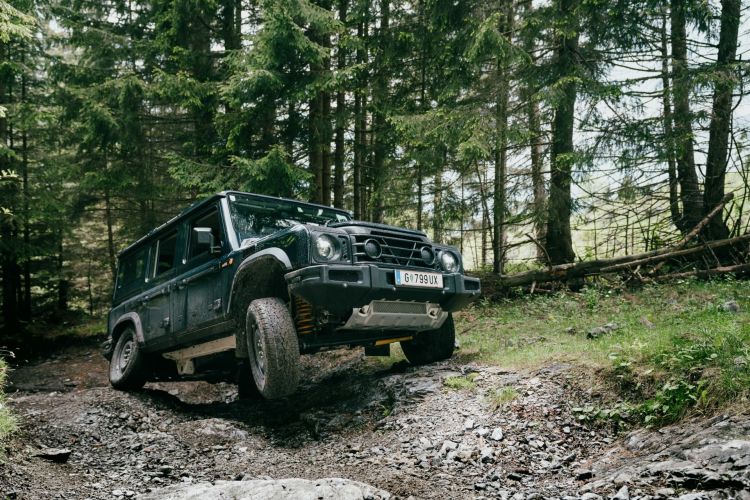
    Off-road lovers and the motor world in general wait patiently to see the Ineos Grenadier in action. The most anticipated SUV is already on the production lines, wherever its hydrogen version will take longer to arrive than expected. The Scots have everything ready, but the world seems not to be ready for it.

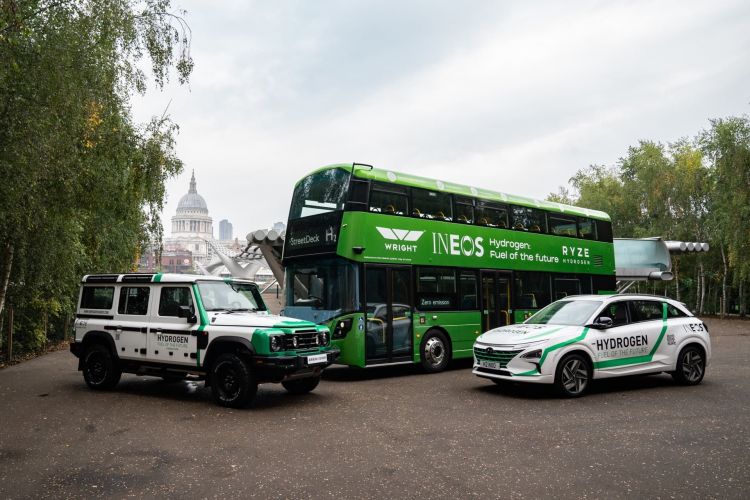
    It was in October 2021 when Ineos Automotive announced, for the first time, that there was room in its plans for a hydrogen Ineos Grenadier. Then he revealed that the development of this variant would be carried out with AVL, an Austrian company known for its dynamic test benches and which has collaborated in the development of both components and competition and series engines. So much so that, in 2022, it introduced its own hydrogen mechanics.

    Ineos and hydrogen

    For Ineos Automotive, electric cars are perfect for moving around the city center and for short trips, but hydrogen is much better for long trips and heavier loads: “For us, the fuel cell is the right zero-emission option for this type of vehicle.” To this must be added his experience in the hydrogen industry: he produces more than 400,000 tons of hydrogen with low carbon emissions every year… so he knows how to manufacture it, transport it, store it and use it.

    The details surrounding the hydrogen Ineos Grenadier are scarce and there is no information available about that propulsion system, but what we do know is that its launch will not take place in the short or medium term. And the reason is not that the company does not have the technology developed. As reported CarExpertIneos Automotive has its hydrogen SUV ready: why, then, has he delayed his presentation? For the current global hydrogen recharging infrastructure. Or, rather, for its lack.

    A hydrogen SUV… without hydrogen generators

    By mid-2023, the hydrogen-powered Ineos Grenadier will be running, but due to infrastructure problems they cannot bet on the fuel cell. And they will not do so until they verify that drivers can easily access a charging network.

    The current infrastructure is not sufficiently developed to support the launch of a hydrogen SUV. In the United States, for example, there are 54 public stations: 53 are located in California and one is in Hawaii. The United Kingdom has seven and Europe has 228 hydrogen plants: 101 are located in Germany. And in Spain? There are six, but only three are public: Madrid, Seville, Zaragoza. The others can be found in Huesca, Albacete and Puertollano.

    In 2022, Dirk Heilmann, CEO of Ineos Automotive, He did his math and estimated that the hydrogen Ineos Grenadier would not arrive until 2027 “at the earliest”: now you will have to take out the calculator again because, with the last decision, there will be a change of dates. Will we see other alternatives before?

  • The end of the mandatory mask on public transport already has an official date: February 7

    A week ago, the Minister of Health assured that the end of the mask on public transport was getting closer. Seven days later, in an act held together with the Gasol Foundation, she has confirmed that she will no longer be mandatory in early February. Its use will only continue to be imperative in healthcare settings.

    Carolina Darias has revealed that, On February 7, the Council of Ministers will approve the end of the mandatory nature of masks on public transport because “we have a very stable epidemiological situation. The proposal that Ponencia de Alertas (the body made up of experts who advise the Ministry of Health) has already made will be submitted to the Council of Ministers”.

    Everything indicates that the measure will enter into force a day later, on February 8, when the change that they must carry out in the Royal Decree, which regulates the use of the mask on public transport, is published in the Official State Gazette (BOE). From that moment on, it will no longer be mandatory on subways, trams, buses, taxis, VTC, trains and planes.

    ahead of schedule

    At the end of the year, the Ministry of Health explained that they considered eliminating the mandatory nature of the mask on public transport in March 2023. A date that had not been marked randomly: it marks the end of the season of acute infections. Since then they have continued to observe the epidemiological situation and its evolution with a favorable prognosis: the recommendation of the Alert Report and the good data have pushed them to bring forward the end of the mask.

    The truth is that compliance with the regulations that required wearing masks on public transport was being relaxed. It was, for a long time, the only restriction… despite the fact that the epidemiological situation in Spain is stable: Neither the opening of the borders with China (a country that has suffered a strong wave of coronavirus), nor Christmas have resulted in a rebound in infections.

    Mandatory in certain places

    Next week, the Ministry of Health will meet with the Interterritorial Council of the National Health System to communicate the decision made to the autonomous communities on the end of the mandatory nature of masks in public transport. It will be a purely informative meeting because this rule is regulated by a Royal Decree, so its reform is solely the responsibility of the Government.

    the mask It will continue to be mandatory in all health centers (health centers, surgeries, clinics, hospitals…) and also in pharmacies. Its use will be recommended on public transport and, in the rest of the scenarios, the responsibility will fall on the citizens, who must be aware of when it will be necessary: ​​if they have symptoms, if they are going to be with vulnerable people…

    Of course, the Ministry of Health recalls that with any worsening of the situation, the mask may once again be mandatory. The World Health Organization (WHO), for its part, continues to advise the use of the mask in large events and in all closed spaces. However, this Friday he is holding a meeting to analyze whether the Covid-19 remains an international health emergency: something that he decreed three years ago, on January 30, 2020.

  • The SUV for which it was worth waiting for 2023 is already here, it costs 21,800 euros and wants to be the best bargain

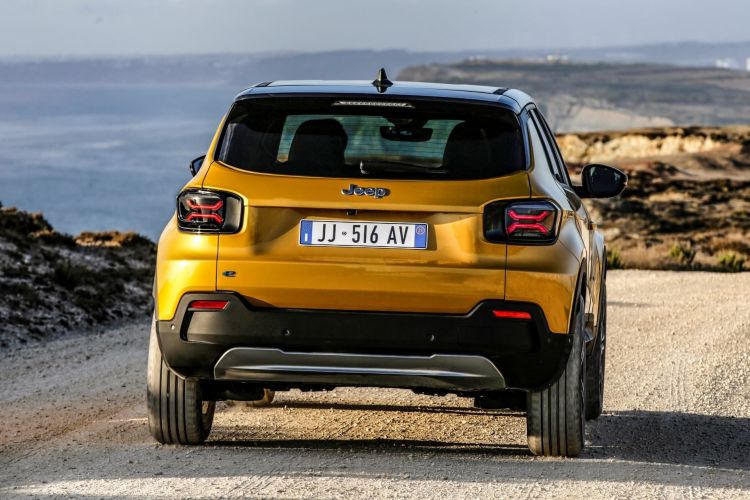
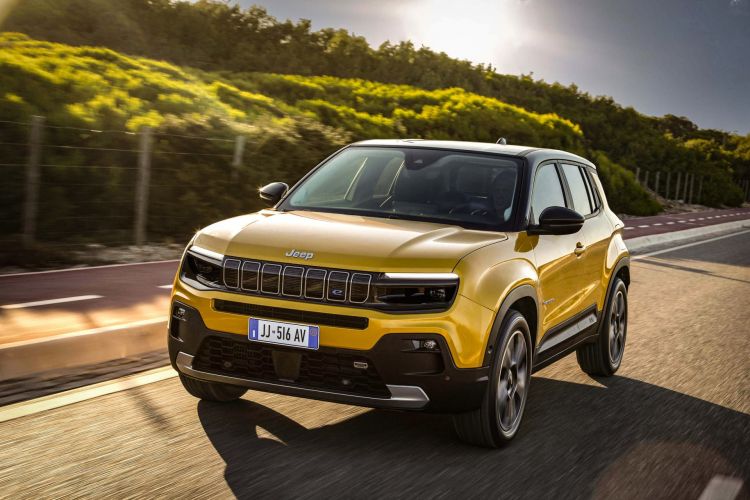
    In the last throes of the year 2022, we saw how some cars that would arrive in 2023 would do so, making it worth waiting for them. A clear example is the new Jeep Avenger, a small SUV that, hand in hand with generous standard equipment, settles in the Spanish market. with a competitive price of 21,800 euros for these dark times, but what does the latest offspring of the American firm really offer?

    And it is that said outlay is associated with the access variant, being able to increase it up to 28,300 euros that Jeep asks for the Avenger Summit. Of course, it must be taken into account that the mechanical section, except that we opt for the electric variant, does not vary, since there is only one gasoline option for the entire range.

    The Jeep Avenger may be the best buy of 2023 for less than 22,000 euros

    Specifically, we are talking about a turbocharged 1.2-liter PureTech three-cylinder engine. developing 100 hp and 205 Nm of torque. Its management is carried out by means of a six-speed manual gearbox, also leaving a combined consumption of 5.6 liters per 100 under the WLTP cycle, a figure that is not bad and that makes it an ideal car for areas urban and even some first steps by highway.

    In case of opting for the electric variant, we come across a mechanical scheme made up of a 156 hp engine and 260 Nm of torque. This is powered by a 54 kWh capacity battery, which gives the Jeep Avenger an autonomy, under the WLTP cycle, of 400 kilometers, although the brand assures that by doing purely urban driving, autonomy can go up to 550 kilometers. .

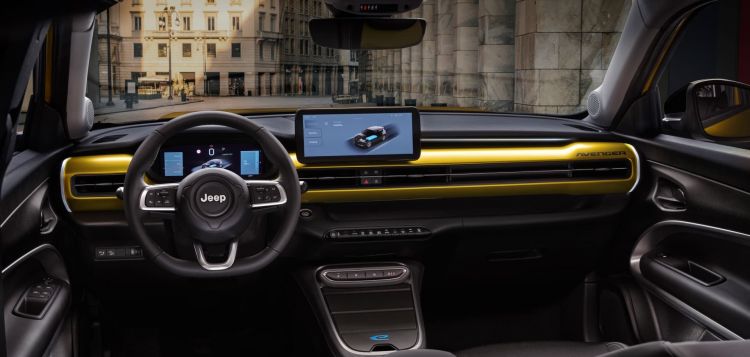
    Be that as it may, the only thing that can vary in the Avenger, whether it is combustion or electric, is the finish. Thus, in the case of a gasoline unit with the Avenger equipment level, we find standard elements such as 16-inch wheels, LED lights, rain sensor, 10.1-inch screen with connection to Apple CarPlay and Android Auto and cruise control among others.

    Paying 23,300 euros we will access the Longitude finish, which includes more elements such as center armrest, heated mirrors, body-color handles, driving modes and descent control among others. In the next rank we find the Altitude finish, which implies an outlay of 25,300 euros and offers as standard equipment 17-inch wheels, synthetic leather steering wheel and knob, dual-zone automatic climate control, 6 speakers and adaptive cruise control.

    And finally the Summit finish, which implies a payment of 28,300 euros and includes standard 18-inch wheels, specific mats, photosensitive interior mirror, heated windshield, keyless access and start, Full LED headlights, rear view camera, blind spot warning and heated front seats.

    All this is accentuated in the electric Avenger, a model that, for the same finishes, implies a payment of 35,100 euros, 36,600 euros, 38,600 euros and 41,600 euros respectively. The advantage? That we can apply the MOVES III Plan and enjoy a discount of 7,000 euros, although of course, it is not money that the house advances and that we will have to fight on our own.

    The Jeep Avenger in What car do I buy?

    Now we must know that the Jeep Avenger is not the only interesting urban SUV on the marketbeing able to find other alternatives in What car do I buy?. Thus, we discovered other interesting models such as a SEAT Arona for 17,600 euros, a SsangYong Tivoli for 17,900 euros, a Kia Stonic for 16,490 euros either a Hyundai Bayon for 15,540 euros.

  • Restoration Porsche 911 S Targa 1967

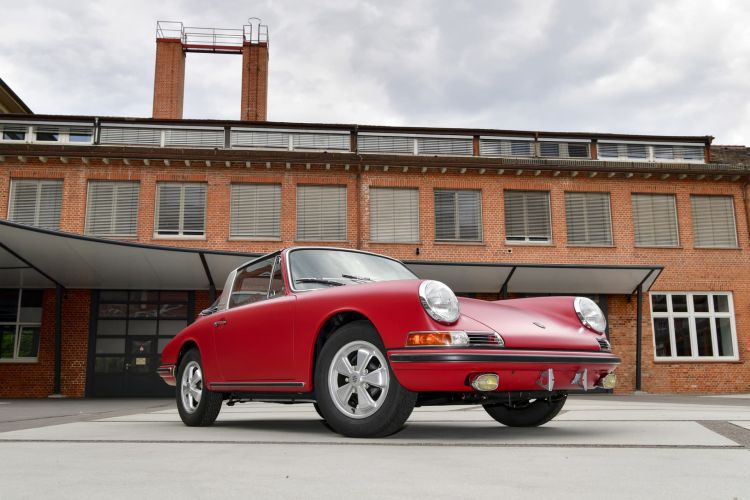
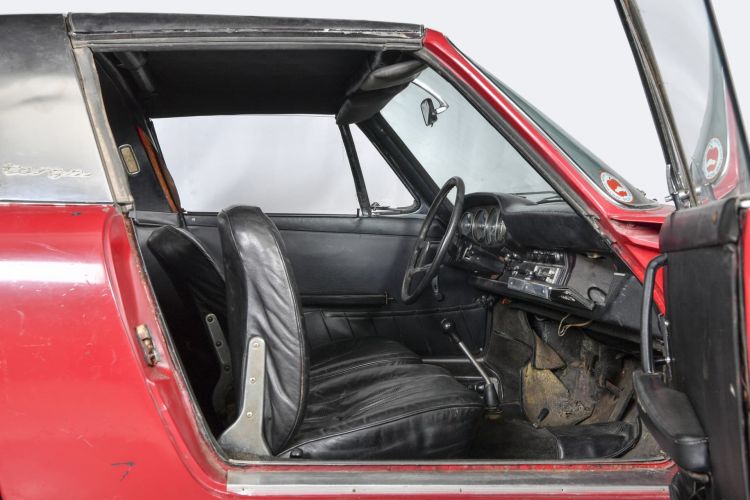
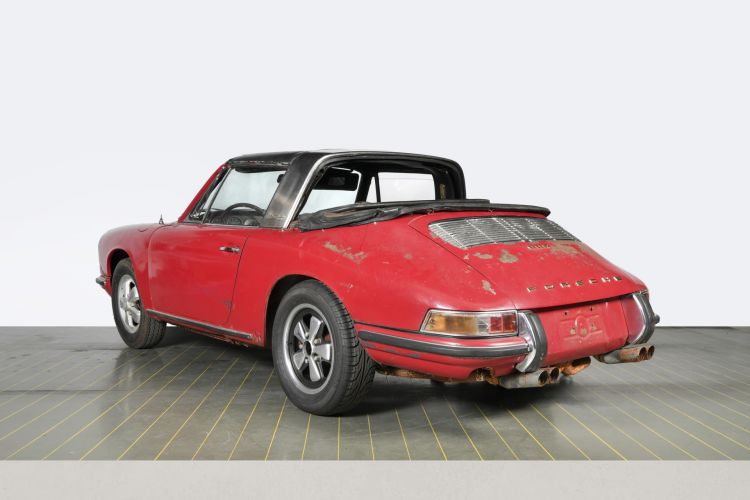
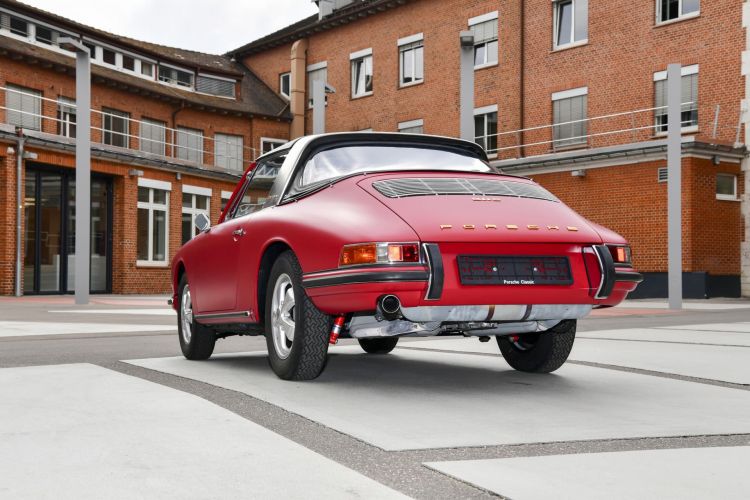
    the history of Porsche 911 S Targa from 1967 that you can see in the images and that we are going to tell you about next is the perfect archetype of barn find or barn find in which all petrolhead we dream of being involved in our life. This Nine Eleven was the first Targa of its class delivered in Germanyspecifically on January 24, 1967 in Dortmund, and that as usual at the time, only two years later he embarked for the United States where its eager new owner awaited it, who enjoyed it until in 1977 he left it forgotten in a garage in Long Beach covered by a plastic sheet. He endured forty years of hibernation until he was discovered by an enthusiast of the brand who decided to give him a second life at the hands of Porsche Classic.

    The restoration process of this Porsche 911 S Targa abandoned for four decades stretched over three years.

    Three years ago a restoration process began, which basically consists of return it to a state, literally, the same as when it left the factory. According to the people of Porsche Classic, this unit is very special, since it is one of the 925 911 S Targa that were built with soft rear glass (later, a glass was used as such, and not a canvas with a transparent plastic similar to the flexible roof of a roadster), in addition to having quite a few original options of the timesuch as the original Webasto heater, Blaupunkt radio, fog lights or outdoor thermometer.

    So, once it arrived at the Zuffenhausen facility in a sorry but thankfully complete state, Porsche specialists took a close look at it to estimate the cost of the restoration, which its new owner readily agreed to, and they got down to business. the work. The first step was disassemble the whole car completelyOn the one hand, the engine and gearbox, which were completely rebuilt following the original specifications and checked.

    Nevertheless, the most laborious work was that of sheet metal and paint, which alone took more than a thousand hours, but it has its explanation. The bodywork was separated into all the panels that make it up, correcting any signs of corrosion, to then take it to the same manufacturing line where the current bodies of the new Porsches receive a cathodic protection bath, and finally paint it by hand with a drying time between coats of three weeks. But also, since the intention of its new owner was to drive it and not treat it as an exhibition object, a protective film special.

    For the paint job, the bodywork was left completely bare to apply a cathodic protection bath.

    So far we can say that it was the “easy part” of this restoration, because there were two great challenges. On the one hand, and despite being an official Porsche department with access to a multitude of technical information and more than 60,000 original references, finding certain spare parts that did not come from third parties is a challenge for models with these characteristics. Also, the client insisted that the new flexible roof retains its original look and feel, and did not have the most robust and rigid touch of the current ones. Therefore, one was made completely by hand following those specifications. likewise, also it was the client’s wish to avoid the current powder coating more appropriate to cover certain parts of the chassis, engine panels or air filter, and use the same two-component black paint of yesteryear.

    Finally, we do not want to end without reviewing the mechanical section of this 1967 911 S Targa Polo Red, which has a 1,991 cc six-cylinder boxer engine that produces a discrete power of 160 hp at 6,600 rpm By today’s standards, it is completed with two Weber carburettors and a 5-speed manual gearbox. With all this, and thanks to its featherweight 1,030kgget a 0 to 100 km/h in 7.6 seconds and a top speed of 225 km/h.

  • Neither diesel, nor gasoline, nor electric, the only engines you should choose in 2023 to make the most intelligent purchase

    The old dilemma when buying a new car – do I choose diesel or gasoline? – It’s over. There are fewer and fewer diesel alternatives on the market and also fewer buyers willing to buy a diesel. But the decision regarding the mechanics that we should choose in our new car, far from being simplified, has become more complex. And the uncertainty is maximum. What will happen to diesel? And with gasoline engines? Should I buy a hybrid car or one that runs on gas? Is it time to make the leap to electric cars, or to opt for an intermediate solution such as plug-in hybrids?

    In recent months we have gotten wet. And we have already told you why the smartest purchase in 2023 is the hybrid. We are looking for solutions for all audiences, for all budgets. Cars that are not too expensive. Cars that do not require you to have a charging point at home and, therefore, a garage. And cars that are not subject, as far as possible, to the traffic restrictions that are beginning to be imposed with the arrival of new Low Emission Zones.

    What are my options?

    Hybrids are no longer so expensive, there are several technologies for all budgets and needs and, without a doubt, they are the smart purchase in 2023

    Gasoline yes, but micro-hybrid

    It is probably the cheapest solution in most cases. There are more and more products on the market that combine a gasoline engine with a small support electric motor and a battery.to slightly improve consumption and reduce emissions but, above all, to obtain the highly prized ECO label.

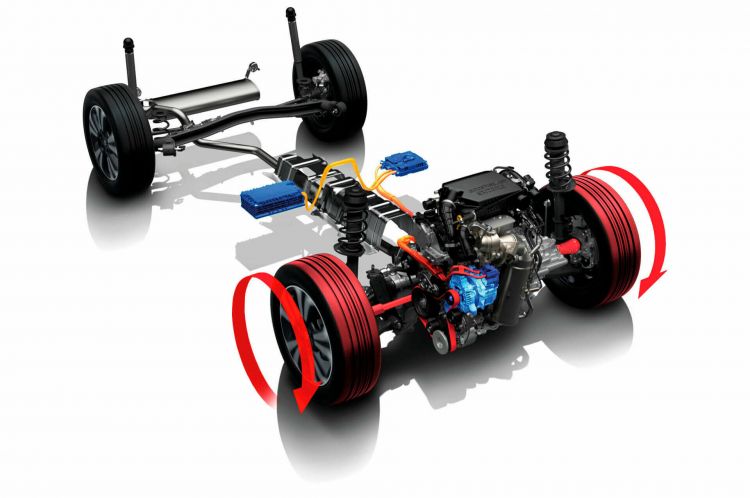
    The difference between a micro-hybrid (also known as a mild hybrid) and a full hybrid is that micro-hybrids generally use simpler electrical systems, less power and smaller capacity batteries, so the engine electric usually cannot move the vehicle by its own means, without the action of the internal combustion engine.

    Between the advantages of the micro-hybrid, especially with respect to diesel and gasoline without hybridization:

    1. They are usually the cheapest, for enjoying relatively simple hybrid systems. And the most economical solution to have a car with an ECO label, with permission for gas or bifuel cars.
    2. There are mechanical micro-hybrids for all tastes. Unlike hybrids, there are many options for micro-hybrid gasoline engines associated with manual gearboxes, small and not very powerful engines, and also large-displacement engines and sports-style vehicles.
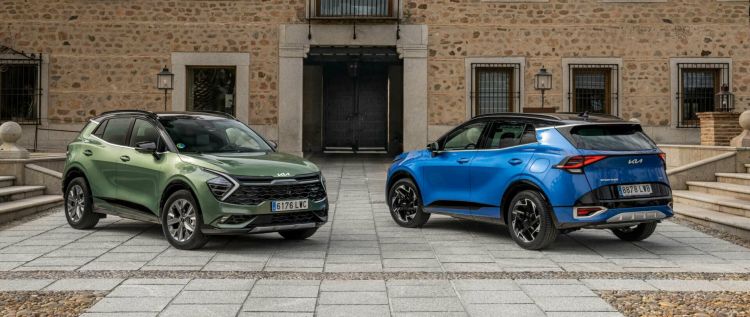
    The Kia Sportage is one of the few mainstream cars still available with micro-hybrid diesel mechanics.

    Diesel and ECO label, also micro-hybrid

    As we have been telling you for some time, the most unknown option, but no less interesting for that, is the micro-hybrid diesel. We would only recommend this option for those who need to travel many kilometers (several tens of thousands of kilometers per year) and who, therefore, would take better advantage of the low consumption of diesel. Like micro-hybrid gasoline they have an ECO label. But the supply of products is limited.

    Some advantages and disadvantages of diesel micro-hybrids:

    1. Its biggest advantage is that offer the best of dieselto cover many kilometers with an acceptable consumption, having ECO label
    2. The biggest drawback of the diesel micro-hybrid is that there are not many options on the market, or at least not as many as in micro-hybrid and full hybrid gasoline cars. Currently in the general market there are only a few diesel micro-hybrids from Hyundai and Kia. In the premium market, there are more options from brands such as Audi, BMW, Jaguar, Land Rover, Mazda, Mercedes-Benz and Volvo

    The best alternative to diesel and gasoline is the full hybrid

    Hybrid cars are still, as a general rule, somewhat more expensive than their diesel and gasoline alternatives. But in recent years we have seen hybrids cut the gap. Y nowadays buying a hybrid is not that expensive, not much more than a diesel or a gasoline. Even Dacia has launched its first full hybrid.

    Between the Advantages of full hybrids over diesel and gasoline:

    1. They are, generally, quite comfortable for day to day and for the city
    2. They are not that expensive anymore. Full hybrids usually have automatic gearboxes, or continuously variable gearboxes that, in practice, and for the user, are like an automatic gearbox, which does not require engaging gears or actuating the clutch pedal. This point makes them, as a general rule, very comfortable. If what we are looking for is a gasoline, or a diesel, automatic, we will discover that its price is very similar to that of the full hybrid.
    3. Its maintenance is usually simple and cheap. They tend to use very simple mechanics, often without turbos or complex anti-pollution systems that, in the long run, will save us trouble and breakdowns.
    4. They will necessarily be the ones that best maintain their value, compared to diesel and gasoline, and it will be relatively easy to sell them on the used market if we want to change our car in a few years.
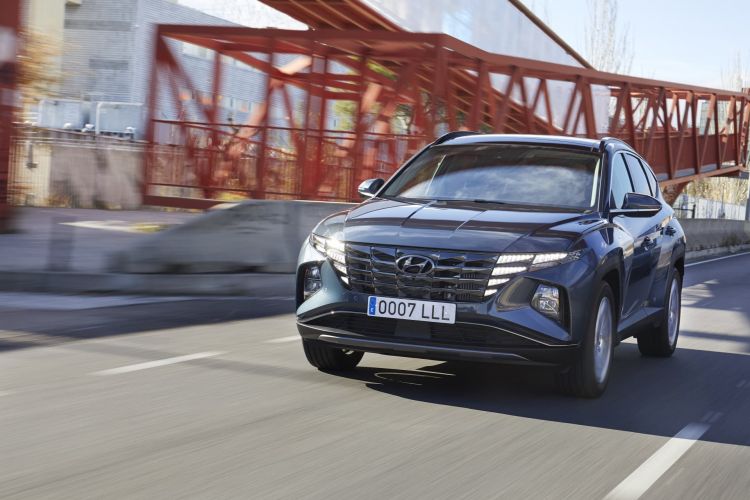
    The Hyundai Tucson is one of the few general cars that are still available with micro-hybrid diesel mechanics.

    Our buying guides for alternatives to diesel and gasoline

Back to top button