• Citroën celebrates the 500,000 made in Spain units of an SUV that you can take home for €165 per month

    If we can distinguish Citroën for something, it is for having thought a lot about the Spanish market, launching different proposals that, as a general rule, have always been closely linked to the needs of the Spanish clientele. Not in vain, The chevron brand is part of a group, Stellantis, which has several factories throughout Spain. one of those models made in Spain is the Citroën C3 Aircross, a B-SUV that has completed 500,000 units manufactured in Spain and that, in addition, you can take home for €165 per month.

    Launched in 2018, the Citroën C3 Aircross is manufactured at the Figueruelas plant in Zaragoza, where it shares a factory with other Stellantis group models such as the Opel Corsa or the Opel Mokka. The B-SUV based on the Citroën C3 has turned out to be a real sales success, with more than 100,000 units dispatched each year of a Spanish production that is destined for the foreign market in 84.1%.

    The French model manufactured in Spain also received an interesting restyling in 2021, a movement that the brand took advantage of to introduce important changes both aesthetically and technologically, also increasing the customization possibilities of a model, the C3 Aircross, which has to fight against real “wolves” in the segment such as the Peugeot 2008 or the SEAT Arona.
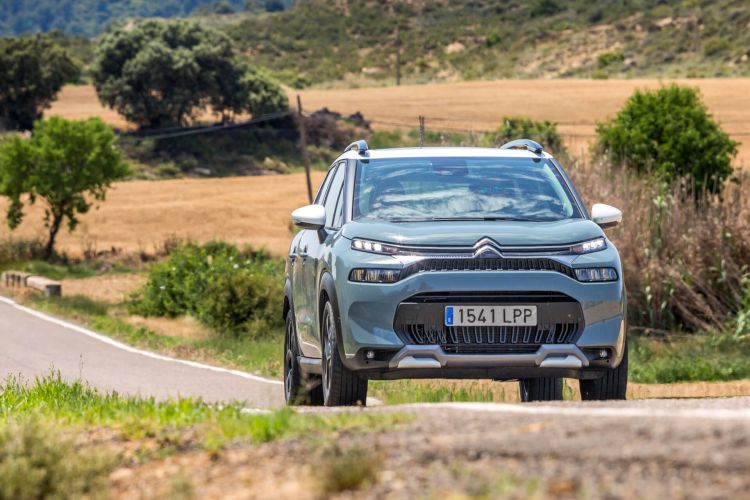
    The Citroën C3 Aircross is also currently available with an interesting offer which allows us to take it home for €165/month, a very reasonable amount that will allow us to get hold of one of the most versatile models of the double chevron firm, although it is not the most modern or the most technologically advanced.

    Be careful, the offer refers to the access version with a gasoline engine, but the C3 Aircross hides a secret: it is one of the few B-SUVs in which it is still possible to find diesel engines with a price that, in addition, does not distance itself excessively from the gasoline variants. In fact, half of the C3 Aircross registered in Spain are diesel… what do we take home then?
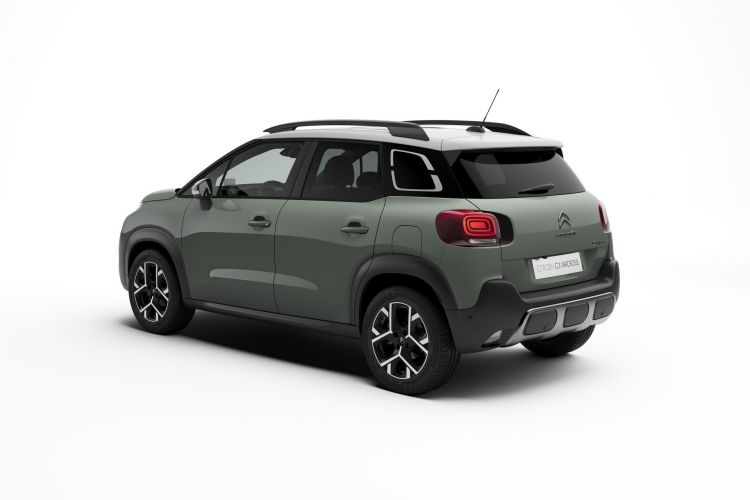
    Take home a Citroën C3 Aircross both diesel and gasoline

    For €165 per month for 48 months and with a down payment of €1,481.12, we can take a Citroën C3 Aircross 1.2 Puretech with 110 HP and a 6-speed manual transmission with a Feel finish to our garage. This engine is one of the most balanced three-cylinder engines on the market, and in this model it can accelerate from 0 to 100 km/h in just over 10 seconds.

    With a maximum speed of 183 km/h and an average consumption of 5.9 liters/100 km, the truth is that the C3 Aircross presents with this engine an excellent relationship between performance and efficiency although, yes, we will obtain the C label as the model does not have any type of electrification.
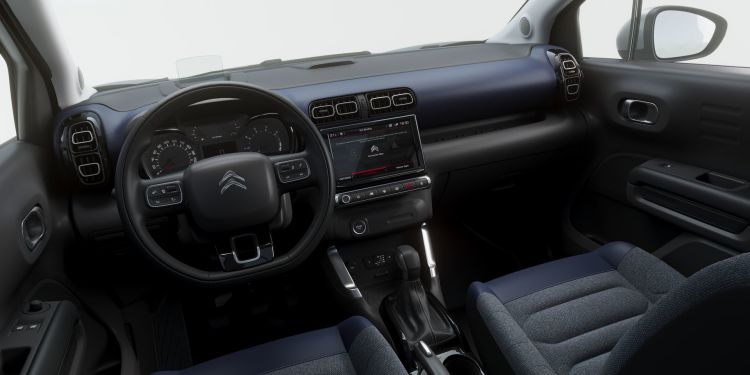
    The Feel finish offers elements such as LED headlights, 16″ alloy wheels, the emergency braking system, cruise control or the infotainment system compatible with Apple CarPlay and Android Auto as standard. The offer presented to us by the manufacturer consists of a 48-month multi-option financing system, so that after paying the corresponding installments, and as long as we have traveled less than 50,000 km in those 4 years, we can return it, change it for another model or buy the vehicle by paying a final fee of €11,735.28, which represents a TIN of 3.99% and an APR of 5.36%. In this case we will have paid a total price in installments of €20,971.4.

    What car do I buy: the options of the Citroën C3 Aircross

    If the Citroën C3 Aircross is among your possible purchase optionsin our comparator portal What car do I buy You will be able to get, in the fastest and most comfortable way possible, the best real prices on the entire internet. In addition, you will find all the information you need not only about this model, but of any other vehicle that may interest you.
    Thanks also to the complete buying guides that accompany the files of each model you will be able to know in a simple and visual way what are the key points of each model, also seasoned by the reviews of the entire editorial team of Diariomotor.
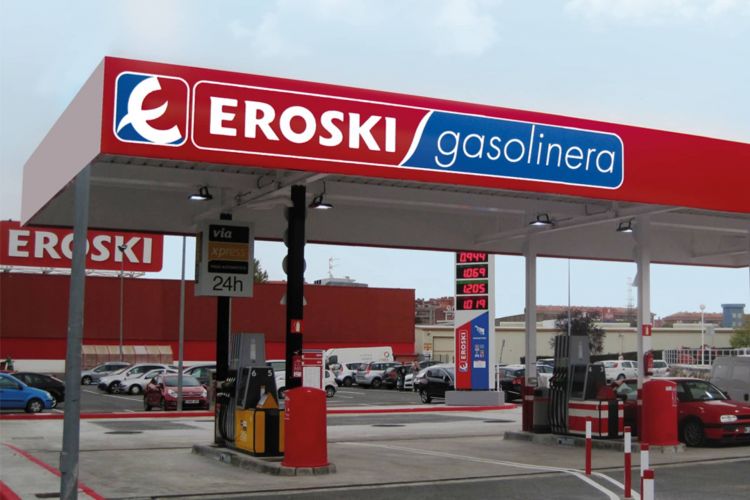
  • Does the alert from the Spanish Confederation of Workshops on ‘low cost’ gasoline make sense?

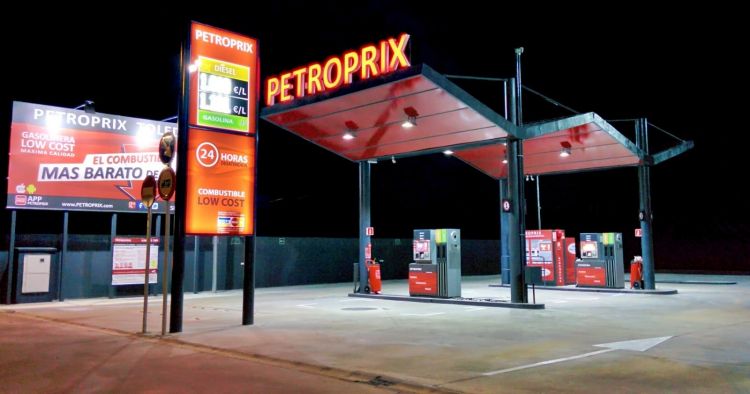
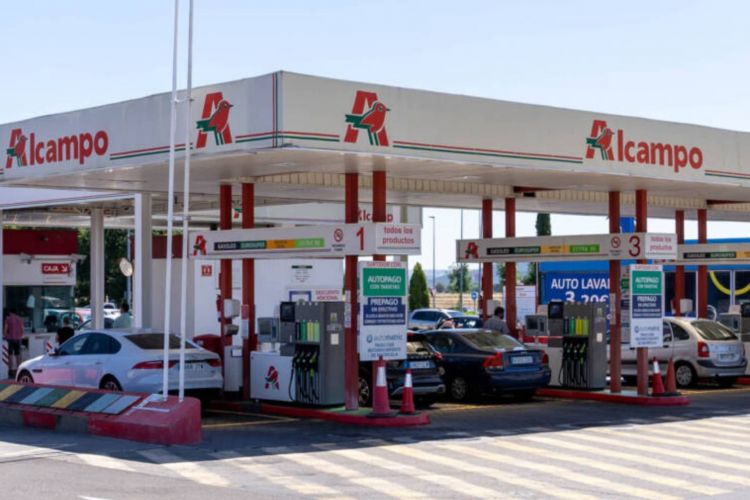
    Ten years ago, the Hydrocarbons Law changed favoring an opening of the market: this gave way to service stations that offered lower prices than the pumps of the big oil companies. A decade later, the low cost gas stations They are chosen by many drivers, although some continue to wonder if they are worth it. The Spanish Confederation of Automobile and Related Repair Workshops (CETRAA) assures that this election can be expensive, but does this alarm make sense?

    This same week, José Rodríguez Robayna, member of the executive committee of CETRAA, spoke in the ‘Analysis Table’ program of south channel to deal with the issue. He assured that some customers claim that they suffer loss of power after refueling at a ‘low cost’ gas station: “That has to be seen by the customer, who thinks they are going to save money, but in reality, sometimes, they don’t. . If you add fuel that is not adequate, you will spend twice as much”. He also pointed out that CETRAA has not carried out any investigation to confirm this point.

    He also added that at CETRAA they are committed to carrying out a consumption comparison. I eat? Refueling at a “normal” gas station, according to his words, and at a ‘low cost’: from his point of view, with the second fuel the car will spend more and it won’t go “the same”. The last point he addressed was the consequences on the engine: “The performance is not the same, It can also affect certain technological elements and catalysts, which can have problems in the long run.

    Does this alarm make sense?

    The question is obvious and the truth is that there is an answer to it. The Compañía Logística de Hidrocarburos (CLH) is the only fuel supplier in Spain: following the provisions of the Hydrocarbons Law, it stores the oil, distributes it and transports it to any service station, whether it is ‘low cost’ or not. The fuel is the same for all because it passes a series of controls to verify that it complies with the corresponding European quality standards: something that can be verified on the labeling, in force since October 2018.

    As we have explained to you on other occasions, one of the factors that makes the difference in prices are the additives: some chemical products that are added to the fuel to add some quality and that, if they are present, increase the price of gasoline and diesel. ‘Low cost’ gas stations usually use those recommended by the CLH, but the big oil companies have their own recipes. With them, they promise greater autonomy to compensate for what we overpay, reducing the frequency of our visits to the service station.

    By adding additives, oil companies seek to improve fuel burning, thus benefiting the engine. I eat? Extracting the maximum power from the engine, reducing polluting emissions, extending its useful life, generating less waste… and reducing consumption. Nevertheless, it is difficult to demonstrate these improvements and, furthermore, it takes a long period of time to prove itand intensive use. And for this, it would be necessary to increase the investment in fuel.

    Additives vs Maintenance

    The truth is that the additives will not make a difference: the correct maintenance that we do on the engine will because the fuel that it distributes the Hydrocarbons Logistics Company already incorporates its own chemical products to offer the necessary quality.

    In the longest-lived mechanics that accumulate many kilometers, especially if they are diesel, the additives could have a positive effect, although it is not a permanent effect. They help to clean the feeding circuits (especially the injectors) and to recover some of the compression that is lost due to cylinder wear, but maintenance will continue to be the key.

    It should be remembered that the only problems that we can have in a service station (whether or not it is ‘low cost’) are related to cleaning of supply systems (filters or pipes), storage tanks and dispensers: They can cause engine breakdowns due to the presence of residues or water in the fuel that we have added. Of course, they are rare incidents.

    Why, then, are they cheaper?

    The ‘low cost’ gas stations can offer the liter, on average, 10% cheaper and the additives, as we said before, are not the only factor that makes the difference. There is more: the very small margins that they handle is another one of them. They are usually between 0.5 and 1% because they have a very aggressive pricing policy to achieve volume.

    To this we must add that have very low costs and less expenses to be more agile: for example, they do not invest in advertising and are usually located in industrial areas, where land is cheaper, or in shopping centers because they belong to large stores and, thus, act as a claim for buyers through offers, promotions…

    Another cause is its business organization, with very few levels, and your personal: In most ‘low cost’ gas stations it is minimal or non-existent, since, normally, they have a person or they do without the staff, replacing it with payment machines. 60% of costs come from here and if they reduce this item, they can minimize the price of a liter of fuel.

  • Neither SUV nor crossover, the only smart purchase if you want to change cars in 2023

    Buying a new car is getting more and more expensive. Also a second hand car. The last few years have not been easy for the automobile market and, above all, for anyone thinking of changing their car. SUVs dominate the best-seller lists, we like them, and manufacturers meet the demand by creating more and more models that can be classified as SUVs or crossovers or even, for those that are not, try to use those types of traits in their design.

    More than half of the new cars sold in Spain are SUVs. SUVs have become the fashionable body, from the most compact (22.9% of the market, according to ANFAC data from last year), to the medium-sized (29.8%), which have completely displaced traditional segments, attracting the buyer for its aesthetics, comfort (easy access on board due to its height), space (they usually have a good trunk and comfortable rear seats) and for the huge catalog of SUVs available to manufacturers, which They have been focusing and diversifying their range for some time in all kinds of all-road vehicles.

    However, there is life beyond the SUV. And with this article we would like to contribute, at least, to the reflection of anyone who is considering the purchase of a new car, about the pros and cons of the different alternatives to the SUV that exist. Generalizing a lot about segments and categories that are increasingly blurred and in which it is increasingly difficult to catalog a vehicle. And providing the updated prices of some SUVs, and the different possible alternatives, at the time of writing this article.

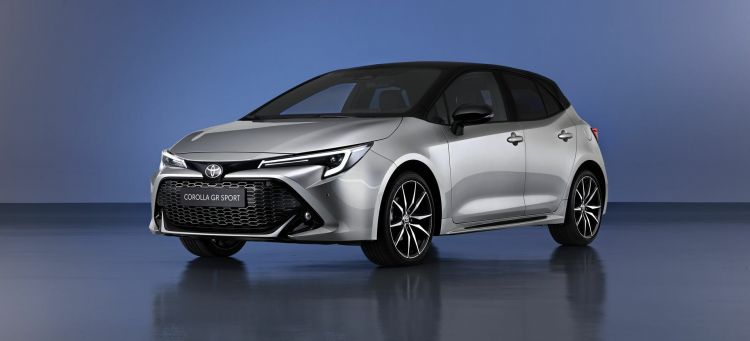
    Toyota Corolla.

    1. The SUVs in front of the 5 doors of a lifetime

    Despite the advance of SUVs, one in three cars registered in Spain continue to have one of the most traditional bodies, that of the five-door segment B and C. In favor of the 5-door of a lifetime compared to the SUV, its price. They are still the cheapest option and you will usually find that a small SUV, from a lower segment (a B segment up to 4.2 meters in length), will have a price close to or even higher than that of a compact from a higher segment ( a segment C up to 4.4 meters).

    For example, a Toyota Yaris Cross (4.18 meters) is priced at €24,925, while a Toyota Corolla (4.37 meters) starts at €24,650.

    Against the 5 doors of a lifetime, that SUVs are usually more comfortable and accessiblebecause it enjoys higher access and proportions that maximize cargo space and offer more spacious and comfortable rear seats.

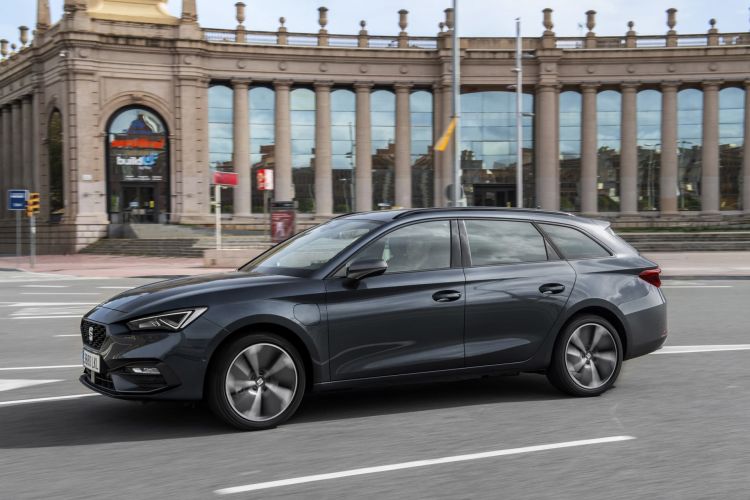
    SEAT Leon ST.

    2. The station wagon, like the true anti-SUV

    Comfort and space are usually the most common arguments used to defend the purchase of an SUV, although in practice we know that aesthetics is undoubtedly one of the most powerful arguments for deciding to buy any car – and not just an SUV. If what we are looking for is space and comfort, probably the relatives derived from utility and compact 5-doors are the perfect alternative to the SUV and those that are among the vehicles that offer more space with a tighter budget.

    The great advantage of the family car over the SUV is that, normally, they are cheaper, or are positioned at similar prices, and offer a larger trunk.. A SEAT León ST starts at €24,350 with a 620-litre boot, compared to a SEAT Ateca that starts at €24,540 with a 510-litre boot.

    Against the family in front of the SUV that there is not so much variety of products, especially in the small segment (segment B of Fiesta, Clio, 208). And, above all, that these family members are usually much longer than their SUV alternative. The Leon ST reaches 4.64 meters, compared to 4.36 meters for the Ateca. And a greater length in the environment of 20 or 30 centimeters, although it may seem little, can make a difference to maneuver comfortably in a garage or even for our car to enter the garage without protruding, or not. And let’s be honest, garages in Spain and a good part of Europe are not always designed for cars that exceed 4.5 meters in length.

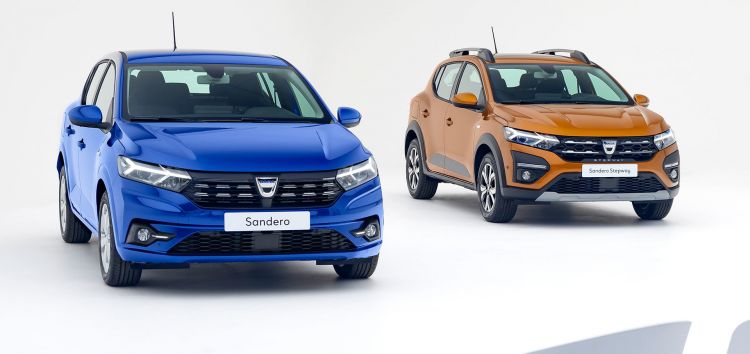
    Dacia Sandero (left) next to Dacia Sandero Stepway (right).

    3. SUV looks like… but it’s not

    The success of SUVs has led to a no less interesting strategy. If we like SUVs, why not create 5-door passenger cars with SUV aesthetics? In this way, from the traditional segments, utility (Fiesta, Sandero) and compact (Focus, Tipo), crossover-type versions have emerged, with features typical of SUVs, such as black plastic protections on the underbody, wheel arches and bumpers and usually a bit more headroom. The great advantage of this kind of crossover, that they are generally cheaper than SUVs. The drawback, that they are more expensive than the tourism from which they are derived and, ultimately, they are not SUVs, they do not enjoy their space, their height, or their ability to leave the asphalt.

    The paradigm of tourism that looks like an SUV but is not is called Dacia Sandero. For €13,040 you can buy a Sandero but for a little more, for €14,170, you can buy a Dacia Sandero Stepway. In fact, most of the sales of the Sandero range are taken by its Sandero Stepway version.

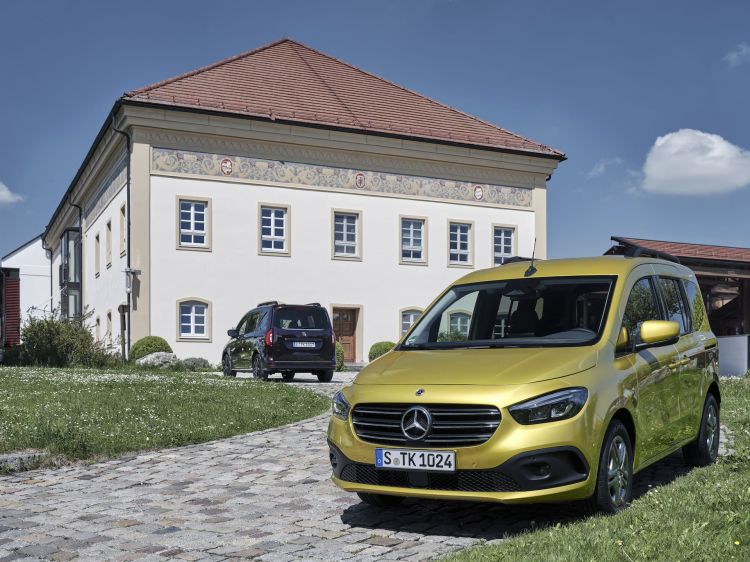
    Mercedes class T.

    4. The real minivans

    There was a time when the minivan was the fashionable car. Practical, spacious and economical. Until the SUV arrived. Today minivans, at least as we understood them until recently (C-MAX, Picasso, Scénic) are on the verge of extinction. Many, in fact, have already disappeared from the market. But they’re making a comeback with a kind of van-derived vehicle – commercial and industrial vehicles – that’s been refined and equipped to the point where it’s second to none to any car or SUV. The great advantage of these minivans, compared to the SUV, that we will hardly find so much space in another vehicle for that price.

    You can buy a Mercedes T-Class for €28,062. For that price you will not find any other Mercedes-Benz, except for a Class A (much more expensive) which, obviously, has nothing to do with the Class T in terms of space and habitability. If what you want is an SUV, the cheapest you will find in the Mercedes-Benz range will be a GLA that exceeds €40,000.

    The great disadvantage of these minivans compared to SUVs is that their image continues to be that of a van., no matter how much they enjoy increasingly attractive equipment and aesthetic details, and even versions with a “countryside” look. And, above all, that the minivans of yesteryear are disappearing, those products that, like C-MAX, Picasso and Scénic, offered us a minivan that had really been derived from a compact car.

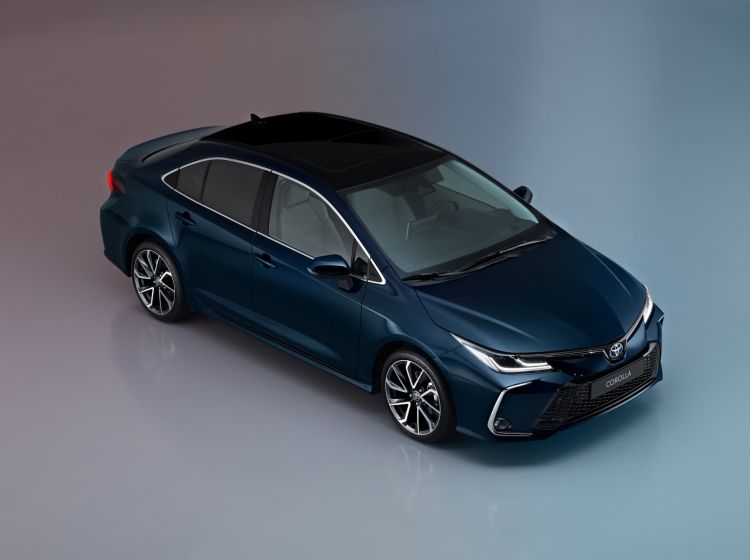
    Toyota Corolla Sedan.

    5. The sedan of a lifetime

    There was a time when the vehicle that best reflected what they call status, and that most visually appealed to buyers, was the sedan. The great advantage of the sedan over the SUV usually resides in its good dynamics, they are comfortable cars, with a good boot, agile and fun to drive and, often, their prices are less than or similar to those of the SUV alternative. On the contrary, its trunk is not usually as accessible or usable as in an SUV and, as with family members, to get a comparable sedan, in the same segment, and with similar space as in an SUV, its length must necessarily be greater. .

    A Toyota Corolla Sedan, for example, part of the €26,100while a Toyota Yaris Cross starts at €24,925a Toyota C-HR from €28,650 and a Toyota RAV4 from €39,950.

  • The car that did not want to stain the exclusivity of the Bugatti Chiron is already the most expensive model sold at auction

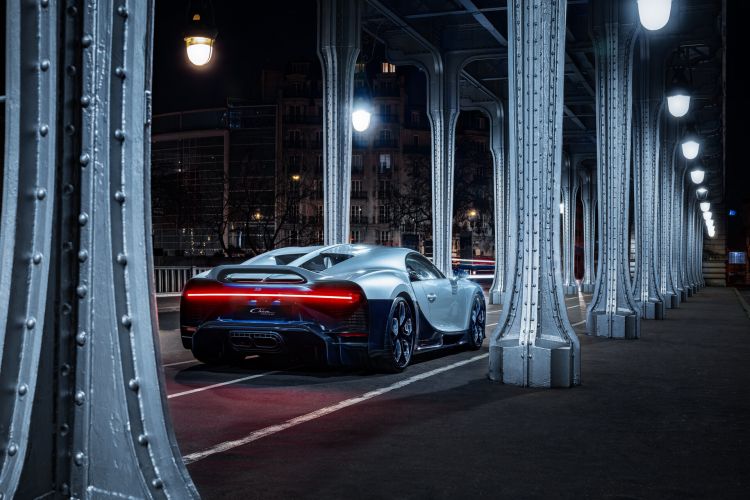
    February has started in style at Bugatti: the 1st was the day chosen for the sale of the Bugatti Chiron Profile, a One-Off that did not reach the production lines to preserve the exclusivity of the Bugatti Chiron itself. And both the brand and the vehicle itself have gone down in auction history because the hypercar has become the most expensive new model sold at one of these events.

    RM Sotheby’s was in charge of organizing the event in Paris. The auction house had set a price between 4.2 and 5.5 million euros: a figure that has been exceeded with growth after an intense bid between collectors present in the room, those who had connected online and those who did so by phone.

    almost 10 million euros

    The Bugatti Chiron Profilée has been sold for 9,792,500 euros, a price that does not include VAT so that figure can rise to 12 million euros. The identity of the buyer is not known and we would not be surprised if he wishes to remain anonymous. At the time, they stated that the money raised would go to charitable purposes.

    The final auction amount makes the Bugatti Chiron Profilee the most expensive new car ever sold at auction. They also place it among the most valuable models of Molsheim together with the Bugatti Type 59 Sports from 1933, which was sold for 10.55 million euros, and at Bugatti Type 57SC Atlantic from 1936, for which, in 2012, they paid a figure of more than 25 million euros.

    Why is it so special?

    Why has the Bugatti Chiron Profilée reached a price of almost ten million euros? Because it is special and this characteristic is that it’s a One-Off that wasn’t meant to be unique. His circulation was to be made up of thirty copies, but, finally, they were reduced to one to preserve the exclusivity of the Bugatti Chiron itself.

    The Bugatti Chiron Profilee arose because the customers of the French brand requested a vehicle with the poise and agility of the Bugatti Chiron Pur Sport on the track, but with more focus on off-road driving. And all this under a more elegant body.

    The conception and development of the vehicle started in the autumn of 2020 and when it was finished, in Molsheim they realized one thing: production capacity for the Bugatti Chiron had already been exhausted. The French brand promised to manufacture a maximum of 500 units and had reached that figure with the sixty Bugatti Chiron Pur Sport. The Bugatti Chiron Profilée therefore became an exclusive One-Off that no one had heard of until a few months ago.

  • Everything we know so far about the new The Crew Motorfest

    No sooner said than done. A few days ago we told you about the rumors that revolved around a new racing title created by Ubisoft in collaboration with Ivory Tower. Although at first there was talk of a new IP, the shadow of the “The Crew” saga seemed long enough to shelve it, so the French company did not take too long to respond to the leaks and presented in society the new The Crew Motorfest.

    Hand in hand has also come a small teaser cinematic in which we anticipate some of the main features of this new driving installment by Ubisoft, focused on the recurring idea of ​​a great “Motor Festival”, which in this case will take place on the Hawaiian island of O’ahu. Recurring because it continues to be a common thread not only widely used by racing video games like Forza Horizon, Need for Speed ​​Pro Street or The Crew itselfbut we’ve also seen it in extreme sports titles like Riders Republic, the latter, coincidentally, also from Ubisoft.

    Not much more information has been given than the sample of the first vehicles that will be present at Motorfest or the scenario in which all the action will take place, with a map that will obviously be smaller than the proposal of The Crew 2, in which we practically crossed the map of the United States from east to west with a ‘playground’ amounting to 5,700 square kilometers of unexplored roads, paths and terrain.

    It is also confirmed that other vehicles such as ships or planes will be maintained, with which we can also compete, at a time when the player is surely looking for something new after having exhausted all the everlasting Grand Theft Auto V proposals. It will not be a 100% accurate reproduction of the island, but it will allow creators to give free rein to offer virtual runners more attractive terrain to compete in, all seasoned with some points of interest that will replicate reality.

    For now, It is unknown what the release date of this The Crew Motorfest will be, but it is expected that it will be limited to this year 2023, something that therefore confirms that rivalry with The Crew Solar Crown for rising as the reference in the world of open-world racing video games, with a less scripted proposal than the Need for Speed ​​Unbound which came out in late 2022. Motorfest is coming out for PlayStation 4, PlayStation 5, Xbox One, Xbox Series X/S, Amazon Luna, and PC.

  • The best SUV alternative to the Toyota Yaris Cross is a micro-hybrid, for €3,134 less, with a larger trunk and more power

    Toyota dominates, with authority, the Spanish market. It has been the best selling brand last year. And a lot would have to change things so that it is not so this year as well. Especially with a start in January in which it has not only managed to maintain its leadership but also that 1 in 10 cars registered in Spain are its own and place three models among the ten best sellers: Toyota C-HR, Toyota Corolla and Toyota Yaris.

    To this day, no brand has a hybrid range as complete as that of Toyota. But as we will see in this article, there are manufacturers that have very good assets in this fight and many options with an ECO label.

    And that is the case of Renault. A brand that not only has one of the most competitive full hybrid ranges compared to Toyota, but also a much more varied ECO label offer, in which there is also room for cheaper options such as micro-hybrids and LPG.

    Although Toyota has the most competent range of full hybrids on the market, Renault also has a large selection of full hybrids, but also other cheaper ECO label alternatives, such as micro-hybrids and LPG mechanics.

    The micro-hybrid alternative to the Toyota Yaris Cross

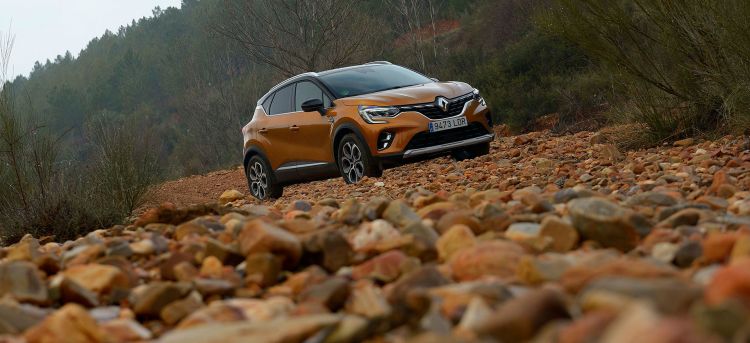
    The Cheaper Renault Captur has a price of €20,792with a base balance finish, a 90 CV gasoline engine and C label. But for only €2,024 more, for €22,816, you can access a micro-hybrid Captur, with 140 CV of power, ECO label and a finish evolution that includes more standard equipment, such as the easy link system with a 7″ touch screen and navigation, hands-free card, and rear parking aid.

    This is probably the most recommended configuration of the Captur. The mentioned price includes all promotions, but does not require financing (financing Renault usually offers additional discounts). And this mechanic can also be configured with a much more equipped version – a full team – which already starts at €27,425, called fast track, and with which Renault promises delivery times of less than 30 days.

    The Toyota Yaris Cross starts from €25,950, paying in cash, but financing enjoys a promotion that lowers its price to €24,925. Like the Captur in this article, the Yaris Cross also has an ECO label and a less spacious trunk (with a capacity of 395 liters compared to the 422 liters of the Captur). But, to be honest with the Yaris Cross, we have to mention its two great advantages and differences:

    1. The Toyota Yaris Cross is a full hybrid and not a micro-hybrid. Its mechanics is, a priori, and from our experience, more economical, especially in urban driving, and also more comfortable.
    2. The micro-hybrid Captur has a manual gearbox, compared to the Yaris Cross that uses an “automatic” gearbox (continuously variable transmission) which makes it a much more comfortable car.

    But there is also a full hybrid alternative

    If we stick only to the fact of having electrified mechanics with an ECO label, the micro-hybrid Captur is a valid alternative to the Yaris Cross. But it is important to remember that the Renault Captur also has a full hybrid version, which would be the most similar to the Yaris Cross.

    €24,789 is the price of the hybrid Renault Captur, with 145 CV of power, automatic transmission. This price includes promotions and financing and is, euro up, euro down, practically the same as a Toyota Yaris Cross with an offer and financing at the dealer. Its cash price is €26,404.

    Images of the Renault Capture:

    Images of the Toyota Yaris Cross:

  • An atmospheric V12 and Giugiaro’s design, Bizzarrini’s weapons to once again rub shoulders with the greatest

    A year ago we heard from Bizzarrini, the historic Italian sports brand. It was then that they launched the 5300 GT Corsa Revival, a 24-unit limited reissue of their first model. Now things are different because the Bizzarrini Giotto is his first truly new vehicle in years: the Italians are resurrected to rub shoulders with the greatest and among their weapons there is a Giugiaro design and an atmospheric V12.

    Bizzarrini was founded by Giotto Bizzarrini, a former Ferrari and Alfa Romeo engineer, in the 1960s: it was a brand dedicated to building high-end, low-volume sports cars. His name has its own chapter in motoring history because he is behind the creation of the Ferrari 250 GTO and 250 GT Berlinetta. He also designed Lamborghini’s iconic V12 engine before creating his own brand.

    Giorgietto Giugiaro’s strokes

    At its Livorno factory, it shaped some 140 units before its bankruptcy in 1969: in 2020, Pegasus Brands acquired the rights to Bizzarrini in an attempt to bring the Italian brand back. That resurrection has materialized with the Bizzarrini 5300 GT Corsa Revival and with the launch of the Bizzarrini Giotto, which is named after the founder of the brand.

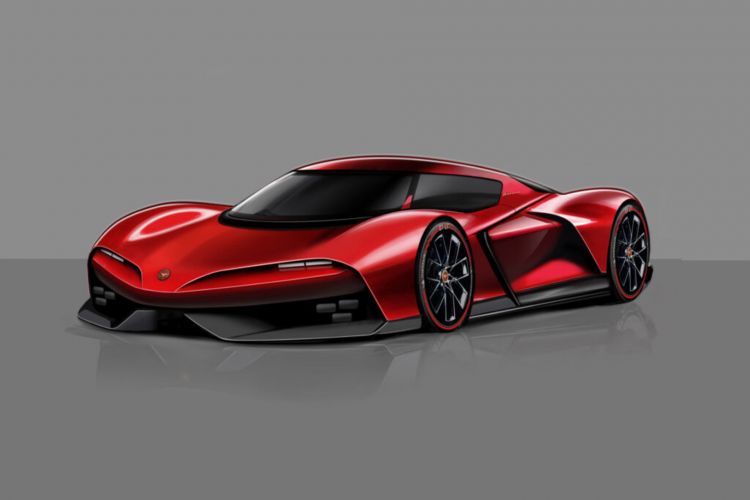
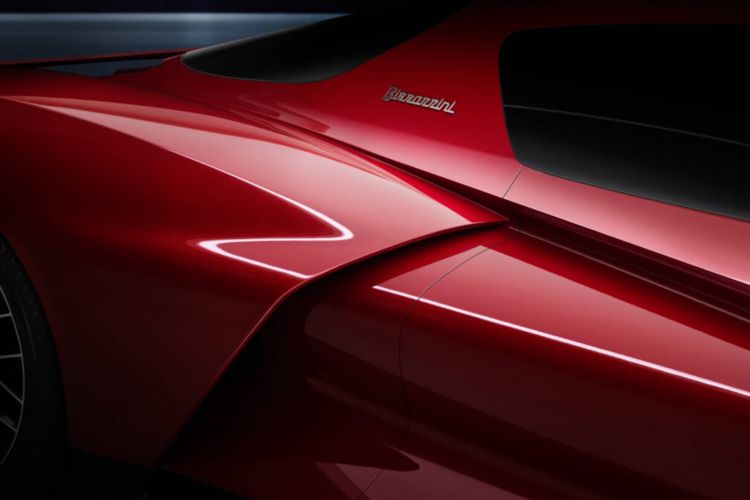
    The Bizzarrini Giotto has an important link to the past and you have to look for it in its carbon fiber bodywork: It is designed by Giorgietto Giugiaro and his son Fabrizio. The Italian was involved in the creation of the Bizzarrini 5300 GT when he worked at Bertone. In this athletic-looking, low-slung hypercar, it is possible to recognize a nod to its ancestors, such as the LED headlights, the wraparound rear window or the teardrop-shaped spoiler. Elements that have not yet been shown in the first sketches of the vehicle.

    The tradition of the V12

    The Bizzarrini 5300 GT Revival was a faithful copy of the competition model that the Italians created at the time: this reissue was created to remind people of the importance of the Bizzarrini name. The Bizzarrini Giotto, however, wants to be compared to hypercars like the Pagani Utopia. Of course, they are not looking for the fastest times or the records: they want attract experienced drivers looking for purity, authenticity and rarity.

    At the moment, the technical information about the Bizzarrini Giotto remains a mystery. They will reveal these details throughout 2023, but the Italians have confirmed that will have an atmospheric V12 mated to an eight-speed dual-clutch transmission. This engine is exclusive to the Giotto, but it will not be located at the front: it will be central. Its development is carried out by Chris Porritt, the technical director who has worked at Aston Martin, Tesla and Rimac.

    Testing won’t start until 2024, but it is expected that, at the end of this year, Bizzarrini will reveal how many units they will manufacture and their exclusive price. Everything indicates that they will produce a significantly higher quantity than the 24 copies of the 5300 GT Revival and that they will only be within the reach of those pockets with a few million euros.

Back to top button