• History of the Bertone Genesis, a V12 minivan with Lamborghini DNA

    The eighties were a decade of experimentationof freedom and debauchery. The automobile industry was no stranger to this maelstrom, and exciting cars such as the modern Nissan Skyline GT-R, the Mazda RX-7+, prototypes such as the Peugeot Oxia, the Nissan Judo… or the Bertone Genesis emerged from those years. . He Bertone Genesis – sometimes called a Lamborghini Genesis – is the product of a night of passion between a Chrysler Voyager and a Lamborghini Countach: it is a luxury minivan, with five seats… and a huge V12 in his bowels

    The Bertone Genesis was the star of the legendary Italian design studio at the Turin Salon in 1988 – There was a time when it was one of the most important halls in Europe, currently being irrelevant. The Genesis was a luxury minivan, created by Bertone using parts from both Chrysler and Lamborghini. As you may know, by then, Chrysler was the parent company of Lamborghini, and would be for a few more years. Chrysler’s flagship product at the time was the best-selling Voyager.
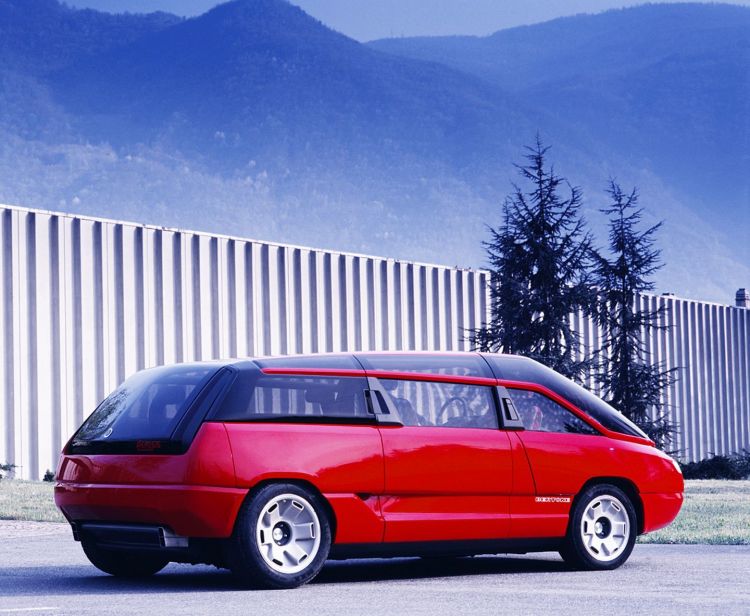
    Chrysler Corporation was Lamborghini’s parent company from 1987 to 1994.

    At that time, minivans were like SUVs today: the fashion segment, and the segment on which many prototypes were based, testing their future. Bertone wanted to create the first high-performance minivan, investing a whopping 30,000 man-hours in creating a working prototype. The car that you have on your screens. His design could not be more representative of the time: its futuristic look is clearly “démodé” today, but at the time it was truly revolutionary.

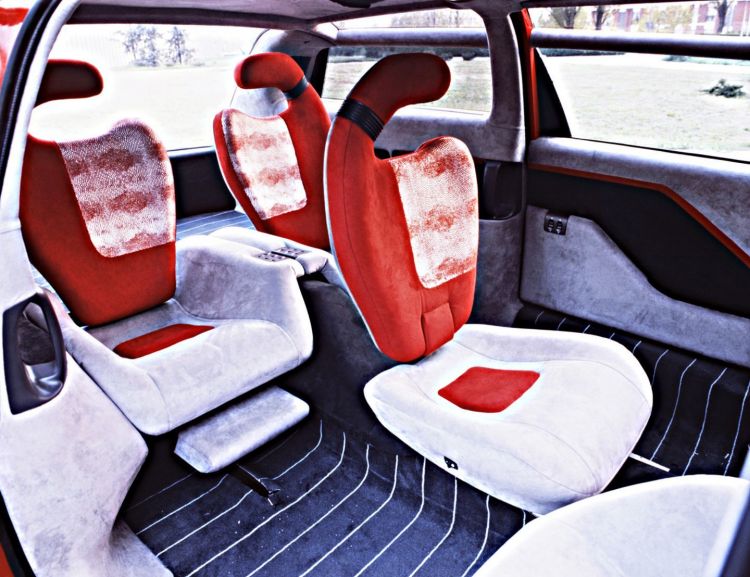
    You just have to see its huge front window, which occupied practically the entire first volume of the car. The front doors were vertical opening, just as the Countach’s doors were opening. They gave access to a cockpit with a seat molded into the very structure of the car. The three rear seats – the configuration of the car was 2+1+2 – large and very comfortable, were accessed through sliding rear doors. thanks to one wheelbase of 2,650 mm and a length of 4.47 metersIt was a spacious car, designed for long trips at high speed.
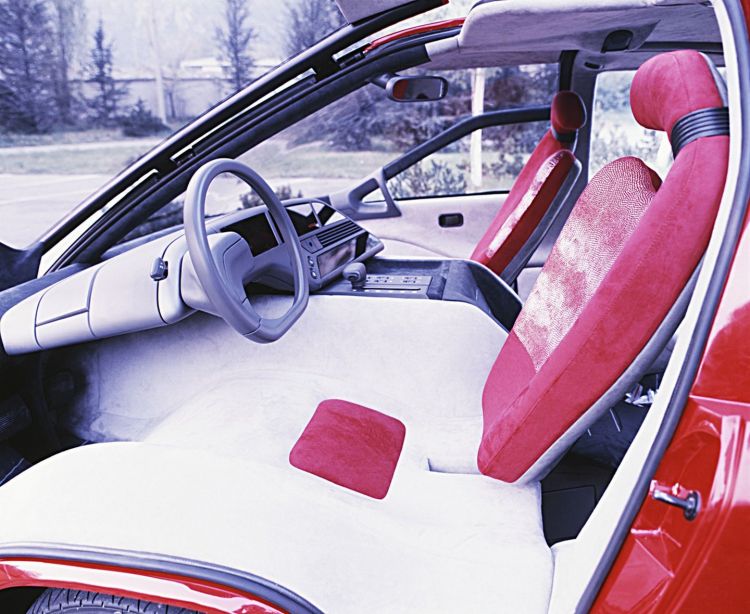
    The Genesis could have replaced the LM-002, which was discontinued in the same year, in 1988.

    Both the driver and the co-driver were literally mounted on top of the car’s engine: a gigantic 5.2-liter naturally aspirated V12, from the Lamborghini Countach Quattrovalvole, capable of developing a whopping 455 hp. A carburetion engine, which sent its power to the rear axle through a three-speed automatic transmission. Yes, three relationships. It was a TorqueFlite gearbox, coming from Chrysler’s US range. If we add to this change a weight of 1,800 kilos… yes, it was noticeably slower than the Countach.

    the genesis never came to mass production. Despite having a very successful design and being technically developed, the market was not ready for a high-performance minivan in 1988. We would have to wait until 1994 to see another high-performance project built on a similar body: the fantastic Renault Espace F1.
  • The hydrogen Honda CR-V will arrive in 2024 and Honda wants it to cost the same as a diesel

    There is a future in hydrogen fuel cells: at least, Honda thinks so. The Japanese brand has not only set a date for the Honda CR-V that will be driven with this system, it has also announced what plans for the future do you have for him… and for other sectors of the motor world, which include commercial vehicles and those intended for the world of construction.

    Hydrogen is not new to Honda. In fact, it was one of the first brands to launch a fuel cell vehicle: in 2008 we met the Honda Clarity Fuel Cell, which is no longer manufactured. Now they are recovering that path despite the fact that, a year ago, Toshihiro Mibe, president of the company, assured that “it is not feasible” to use hydrogen in cars.

    A hydrogen Honda CR-V

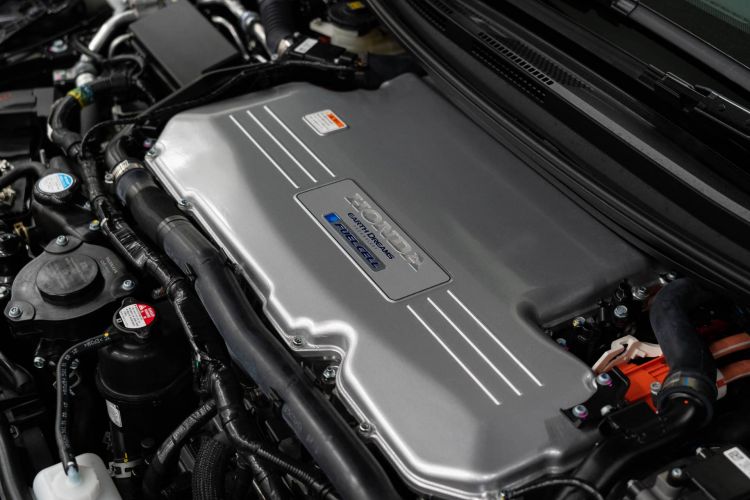
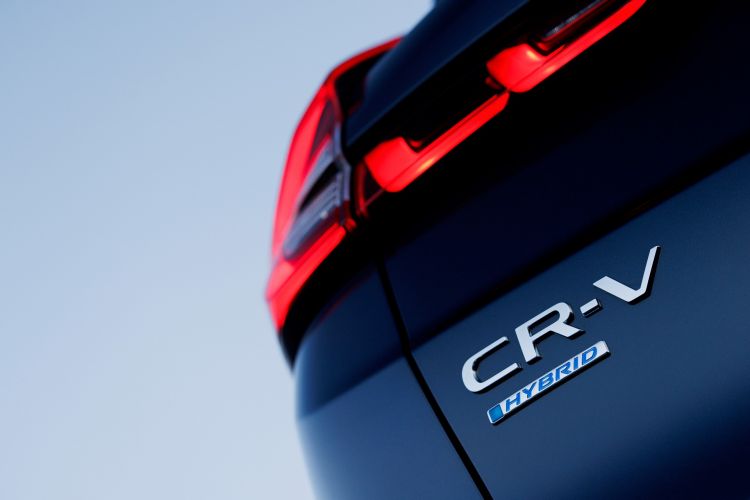
    A few words that draw attention if we take into account that Honda has confirmed that, in 2024, it will launch a hydrogen electric vehicle based on the Honda CR-V: for now, it will only reach the Japanese and North American markets. This fuel cell system stems from joint development with General Motors, which began in 2013. According to Honda, this technology costs a third less and is twice as durable as the Honda Clarity Fuel Cell.

    Honda has already explained that it will be the first vehicle in the industry to combine hydrogen fuel cell technology with the capability of a plug-in hybrid vehicle. It will be equipped with a lithium-ion battery with enough range for daily commutes or short trips: just like a plug-in hybrid or an electric car, it can be recharged at any charging point. For longer trips, you’ll have a range extender that looks like a current plug-in hybrid, but with one key difference: instead of a gasoline engine, it will use a hydrogen-powered fuel cell.

    future plans

    By the middle of this decade, Honda plans to sell about 2,000 units per year with this type of propulsion. Subsequently, the goal is to expand that figure in phases, reaching 60,000 within seven years and “several hundred thousand” by the second half of the 2030s. This year is marked in red because, by then, lThe Japanese brand hopes to have a fuel cell that costs half the cost and doubles the durability of the system developed jointly with GM. So much so that they claim that the price per vehicle could be comparable to that of a diesel.

    Commercial vehicles and much more

    There is room in Honda’s plans for more hydrogen vehicles: commercial ones are also on the horizon. In China they are already testing a platform with Dongfeng and in Japan, Honda is working with Isuzu to shape a truck that they will start testing on the road during the first quarter of 2024. It also intends to introduce the fuel cell in the construction industry, applying it, first, to excavators and wheel loaders.

    Another of Honda’s plans is to create emergency plants, those in charge of supplying backup electricity when the main source does not work, equipped with a fuel cell. They want, at the same time, to take hydrogen into space and for this, they are working with the National Agency for Space Development of Japan.

  • Insurance, helmet and a minimum age: the mandatory requirements that the DGT has already designed for electric scooters

    In recent years, urban transport has welcomed different alternatives. Bicycles aside, the most popular are Personal Mobility Vehicles (VMP) and, specifically, electric scooters. Their notorious presence in cities has forced the creation of specific regulations for them, but there are still aspects pending regulation. Pere Navarro has advanced the next to arrive: mandatory insurance and helmet, as well as a minimum age to ride an electric scooter.

    The regulations consider electric scooters vehicles and, therefore, its users must comply with the General Traffic Regulations (RGC) like other drivers. To this must be added the specific regulations made for these vehicles: since 2021, their maximum speed is limited to 25 km/h and the prohibition of driving on certain places (sidewalks, urban tunnels, interurban roads, highways or expressways) has been established.

    Mandatory: helmet, insurance and a minimum age

    This general regulation, however, leaves several fronts open: it does not establish a minimum age for use, does not require a permit to ride a scooter and is lax on issues such as the use of a helmet or the need for insurance. That is where the next steps that the DGT will take in the legislative matter related to the VMP will arrive. Pere Navarro has given the first clues at the VII Meeting of Cities for Road Safety and Sustainable Mobility, held in Valladolid.

    The director of the DGT assures that they are “clear about what we want with electric scooters”. For Pere Navarro, it should be mandatory that the users of these vehicles circulate equipped with a helmet, have a civil liability policy and have a minimum age: “We have made a proposal, but it depends on the Spanish Federation of Municipalities and Provinces (FEMP). Helmet yes, minimum age 16 years and compulsory civil liability insurance.

    Consensus with the municipalities

    He has also added that these requirements are “legally designed”, but the objective is to coordinate with the actors involved: “We must all be in agreement”. Or what is the same: they have to reach a consensus with the town halls to shape a decree that regulates the mandatory nature of the helmet, insurance and the minimum age for electric scooters. Why with them? Because the municipal ordinances will be in charge of these traffic regulations.

    This is what is happening, right now, with these requirements that they want to turn into imperatives. Depending on the city, The minimum age changes and users need (or not) insurance to drive on their VMP. And the same is true of the helmet: since March 2022, when the last reform of the Traffic Law was carried out, this safety system is mandatory “in the terms determined by regulation.” The problem is that there is no standard that specifically regulates it.

    It should be remembered that, according to the data collected in a study by the Mapfre Foundation, Until September 2022, five people (VMP users and pedestrians) lost their lives in accidents involving electric scooters. In 2021 there were thirteen deaths.

  • It is the perfect anti-SUV, it has a 500-liter trunk and has just released a new hybrid engine

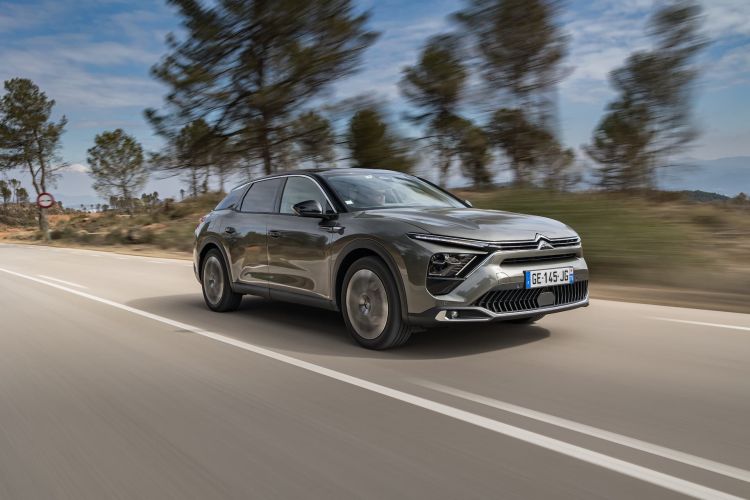
    If you are looking for a car with a lot of interior space, a good trunk and a crossover aesthetic, but without reaching the level of the SUV, the car that we are going to discuss today is an option that you should consider very seriously. Turned to the best anti-SUV in its class for its approachthe Citroën C5 X represents an interesting purchase option since you can take it with a ZERO emissions label at a better price than beforeWell, he just released a new plug-in hybrid engine.

    Mixing saloon, family and crossover traits, the Citroën C5 X is a car that is attracting a lot of attention, because With a size of 4.8 meters, it offers one of the most spacious and comfortable cabins on the marketin addition to having a 485 liter trunk which, in non-hybrid versions, can reach 545 liters. It is a serious option to be considered by all those who are looking for a lot of space and comfort, because after our thorough test, at Diariomotor we can assure you that the C5 X is the most comfortable car in its class.

    In the C5 X, comfort and interior space prevail above all else, being the clear reference in its class in both aspects.

    Until now available in a 130 CV gasoline version or a 225 CV plug-in hybrid version, today we focus on the arrival of a new plug-in hybrid drive that aims to make the C5 X cheaper and become the best-selling configuration in the range. To achieve this, Citroën combines a 1.6 Turbo gasoline engine, an electric motor, an 8-speed gearbox and a 12.4 kWh battery, resulting in a hybrid scheme with 180 CV of powerable to make 62 km of electric autonomy and therefore get the ZERO emissions labela particularly interesting badge now that the ZBE zones come into force in many Spanish cities.

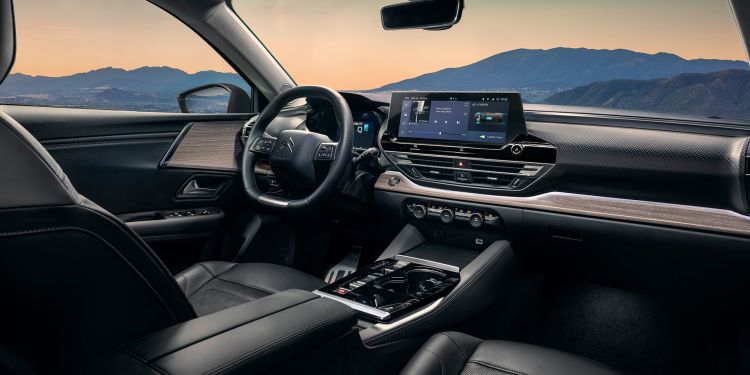
    At the moment Citroën has not communicated the official prices for this new 180 hp hybrid engine, but these should be around the 44,000 euros before applying aid and promotionswhich could leave the final price quite close to 40,000 euros. In addition, the C5 X is characterized by offering a endowment of abundant equipment from its access finishfinding digital instrument panel, multimedia system with 10″ touch screen compatible with Apple CarPlay and Android Auto, LED headlights, front and rear parking sensors, trunk with electric opening, dual-zone climate control and a multitude of driving assistance.

  • किआ 2023 सुपर बाउल कमर्शियल … डॉट के साथ पेश करता है?

    [ad_1]

    दोस्तों, एक बार फिर साल का वह समय आ गया है। सुपर बाउल LVII (57 उन लोगों के लिए जो X, V, और I से परे रोमन अंकों को नहीं जानते हैं) आसन्न है, और इसका मतलब है कि रचनात्मक सुपर बाउल विज्ञापन डिजिटल एयरवेव्स को हिट करने वाले हैं। किआ इस साल एक विशेष बिग गेम कमर्शियल के लिए लौट रही है, और सच कहूं, बिना संदर्भ के डॉट दिखाने वाली टीज़र छवि ने हमें अपना सिर खुजलाया है।

    दरअसल, यह पूरी तरह से बिना संदर्भ के नहीं है। एक साधारण कथन के साथ टाइल के फर्श पर नीले डॉट्स दिखाते हुए फोटो: इसे 2.12.23 पर खोजें। यह इस साल की सुपर बाउल तिथि है, और खोज करना यह सुझाव देते हुए कि हम किसी को यह पता लगाने की कोशिश करते हुए देखेंगे कि यह छोटी सी चीज कहां गई। तर्क बताता है कि यह माता-पिता या बच्चा बनने वाला है, लेकिन सुपर बाउल विज्ञापनों के साथ आम तौर पर 30 सेकंड के स्पॉट के लिए लाखों डॉलर खर्च होते हैं, यह कुछ बेहतर होगा क्या यह सही है दिलचस्प।

    शायद एक स्व-जागरूक किआ EV6 रडार सिस्टम का उपयोग करके डॉट्स की तलाश करेगा? या शायद पिछले साल का प्यारा रोबो कुत्ता अपने नए परिवार के साथ मदद करने के लिए फिर से प्रकट हो सकता है। हम इसके साथ ठीक होंगे, और अरे, कुत्ते और बच्चे मार्केटिंग की दुनिया में शुद्ध सोना हैं, है ना?

    यह निश्चित रूप से सबसे अधिक विदेशी टीज़र में से एक है जिसे हमने ऑटोमेकर से देखा है, लेकिन हम किआ को संदेह का लाभ देंगे। दक्षिण कोरियाई कंपनी के पोर्टफोलियो में पिछले 13 सुपर बाउल विज्ञापन हैं, और अधिकांश भाग के लिए, वे बहुत अच्छे थे। उपरोक्त रोबो डॉग स्पॉट के अलावा, हमें किआ नीरो चलाते हुए दुनिया को बचाने के लिए मेलिसा मैक्कार्थी के 2017 मिशन की याद दिलाई गई। 2013 में, एक टायर-किकिंग आदमी को फोर्ट को दिखाने वाले एक क्रोधी रोबोटिक मॉडल के हाथ में अब तक का सबसे बड़ा वेगी परमाणु मिला। लेकिन किआ भी दिल को छू लेने वाली है जैसा कि हमने 2020 में देखा है, जॉर्जिया के लिए जहां टेलुराइड बनाया गया है।

    क्या 2023 किआ कमर्शियल मज़ेदार, या विचारोत्तेजक, दिल को छू लेने वाला, या सिर्फ सादा प्यारा होगा? जो भी हो, आप 12 फरवरी को विज्ञापन के प्रसारण से पहले और टीज़र की उम्मीद कर सकते हैं।

    [ad_2]

  • The electric compact with the price of gasoline, the autonomy of a diesel, the power of a Tesla and 4-wheel drive

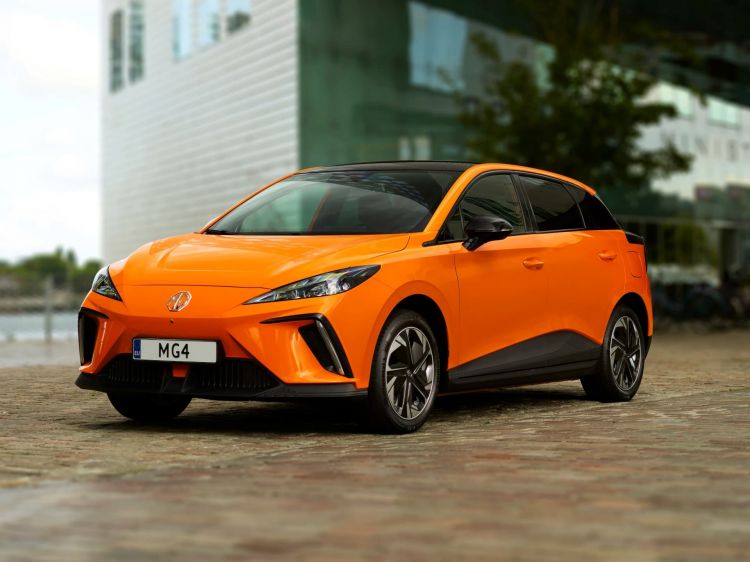
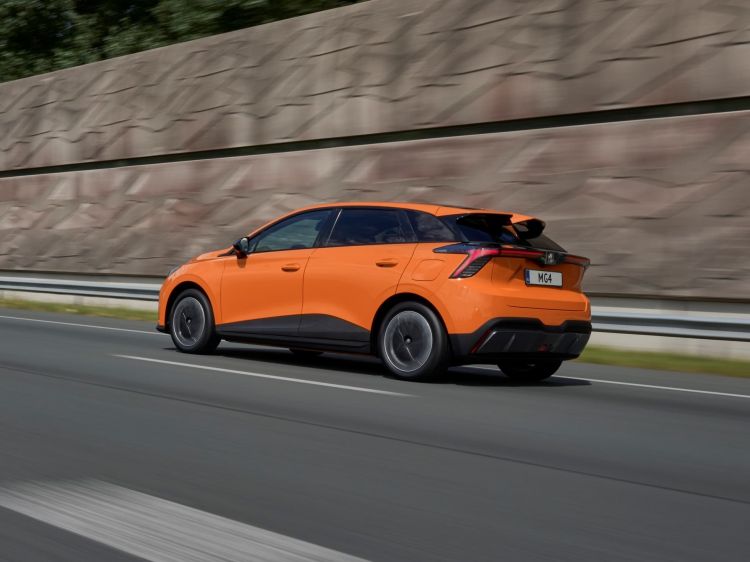
    MG Motor has been one of the brands that has revolutionized the market the most. Either by having one of the cheapest cars on the market – and without a doubt the one that offers the most for its price. With an SUV the size and space of a SEAT Ateca, and very well equipped as standard, the MG ZS available from €13,990. Either for having managed to market an electric car, also well-equipped and attractive, with the price of a diesel or gasoline compact, the MG 4 available from €20,480 with discounts and aid from the MOVES Plan.

    We know that in the coming years MG still has several launches prepared. That they are not only going to expand their range of cheaper cars and internal combustion engines, but that they are also going to offer more and more electric alternatives, with a more distinguished and technological position.

    But beyond new releases, it seems that MG still has some surprises in store for us in this range, with a more extensive catalog of versions for the MG 4.

    The electric compact with the price of diesel or gasoline

    From the French media (car motorcycle, The Numbers) These days we have received some information, which would have been anticipated at a press conference, and which points to some of the possibilities of this MG 4. New versions that could be incorporated in the coming months to the brand’s catalog in France and, by extension, very likely to reach the rest of the European markets, including Spain.

    • There is talk in the French media that there could be a MG 4 with greater autonomy, which could reach 550 or even 600 kilometers. Although MG has one of the most innovative battery packs on the market – very slim, 11 centimeters high, and very versatile, to adapt to different models and even battery exchange systems – MG dealers in China still we can’t find answers. And it is that both in China – where it is marketed as MG Mulan – and in Europe it is being marketed with 51 kWh and 64 kWh batteries, with which it respectively achieves 350 kilometers of autonomy and 435-450 kilometers of autonomy (Comfort-Luxury). .
    • Another novelty to which they point from France is the arrival of an all-wheel drive MG 4, with engines both on the front axle and on the rear axle. A version that is present in the MG Mulan marketed in China, in two power levels, the lowest power being 125 kW (170 CV).
    • But the most interesting thing about this version would not be only in its dual-engine configuration. would also exist a double engine version and much higher powerwhich according to the figures of the MG Mulan would take the most powerful MG 4 up to 315 kW (428 CV), with a maximum torque of 600 Nm and a 0 to 100 km/h worthy of a high-flying sports car, with 3 .8 seconds.

    4-wheel drive, more autonomy and more power

    Based on this information and, above all, the range of the MG Mulan in China, which we know as MG 4 in Europe, if these forecasts are met, the MG 4 range could be completed with the following versions:

    • An MG 4 with greater autonomysuperior to that of the MG 4 Luxury of 64 kWh and 450 kilometers of autonomy that is currently on the market, which could exceed 500 kilometers of autonomy.
    • A dual-engine MG 4 with four-wheel drive, with 51 kWh battery. With about 350 kilometers of autonomy and 125 kW (170 CV) of power, it would continue to be an economical alternative for customers who value four-wheel drive, for example in cold climates, and in the Nordic countries.
    • An MG 4 with a much sportier focus, with 315 kW (428 hp) of power, a 64 kWh battery, 0 to 100 km/h in 3.8 seconds and, due to the weight of its electrical system (according to MG specifications Mulan in China is the heaviest in the range, with 160-184 kilograms more than the rest of the versions), batteries and engine performance, a range that should be below 435-450 kilometers.

    If we still have few details of these versions, even less what we know of the price they will reach in the market. Currently the MG 4 Electric is available from €20,480 – including discounts, financing offer and aid from the MOVES Plan – with 170 CV, 51 kWh and 350 kilometers of autonomy. Under the same conditions, but more equipped, the one with 204 hp, 64 kWh and 450 kilometers of autonomy already amounts to €24,980.

  • Nissan Max-Out, is this the future that awaits electric sports cars?

    we met the Nissan Max Out a little over a year ago when Nissan presented its electrification strategy until 2030 and this electric convertible was still a virtual concept. It is now a real prototype, which gives us clues about what the future of electric sports cars will be like from the Japanese house.

    The Nissan Max-Out arrives with one object: to show the motor world how Nissan is shaping the sustainable mobility of the future and where its design language will go next. Being part of the ‘Nissan Ambition 2030’ strategy also gives the Japanese several years to develop and manufacture any production vehicle inspired by it. This means it could have next-generation electric motors and even the next solid-state battery technology.

    The truth is It was in 2019 when we saw the last Nissan convertible: that year we said goodbye to the Nissan 370Z Roadster… so there are many who expect (and want) a replacement. Is the Nissan Max-Out so far from reality? It has been said that it may be the precursor of the electric version of the Nissan Z, but there are also those who see it as a preview of a hypothetical successor to the Nissan GT-R: a theory that came after the brand confirmed that it is developing a new sports car for Europe and North America.

    As futuristic as psychedelic

    Theories aside and although it is a concept with design characteristics that go beyond what you would expect to see in a road vehicle, the Nissan Max-Out is a car and we cannot pass up the opportunity to analyze it. We told you before that it is an electric sports car with a futuristic-style body and even with a psychedelic touch. boasts of elegant, long and flowing lines that give way to soft curves.

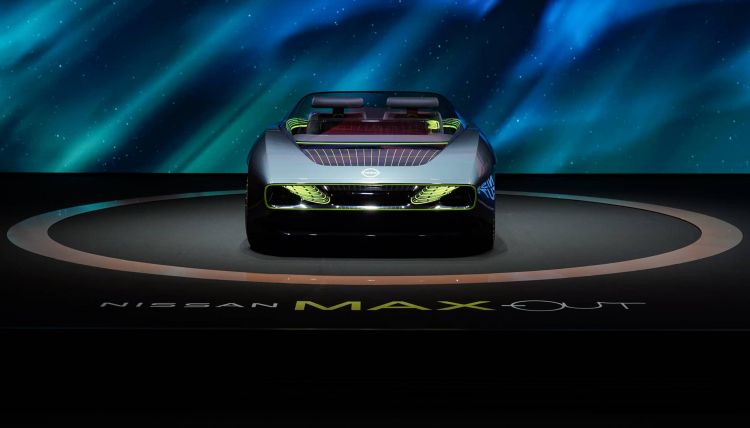
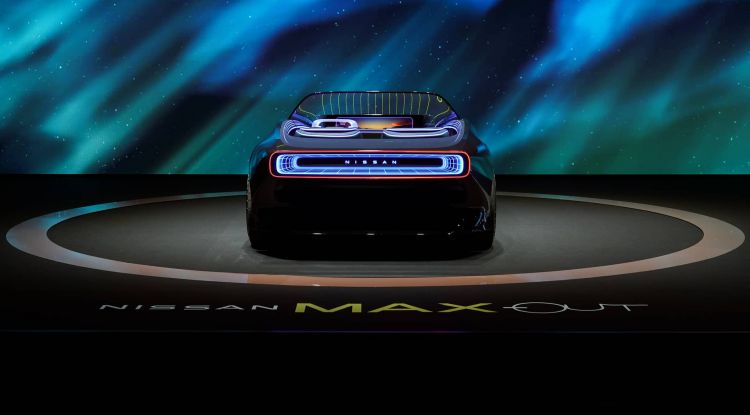
    The front of the Nissan Max-Out features a fully enclosed grille that appears to function as a digital display – the same scheme chosen for the aerodynamic wormhole-like rims. The rear also has an illuminated panel that imitates the one at the front and it integrates a full-width taillight, which we could imagine on a production vehicle. The system for the hood, if it exists, is not appreciated.

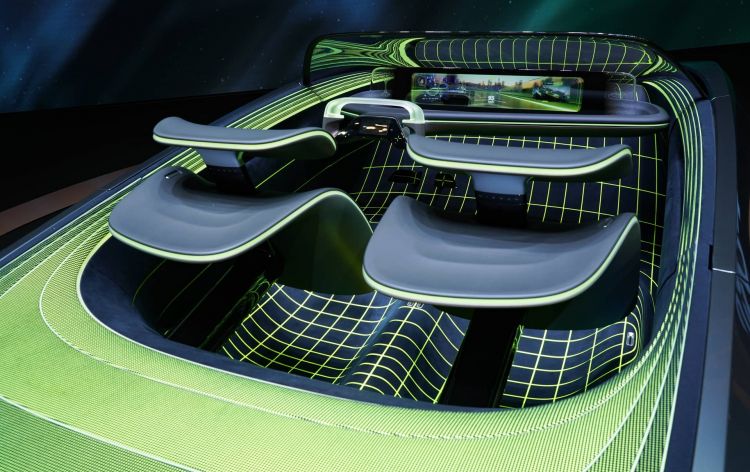
    Behind that minimalist windshield, an interior as futuristic as the exterior emerges. Of course, in the passenger compartment the psychedelic character is even more marked: under the two floating seats we find some geometric mats that look like an optical illusion. By the way, the passenger compartment can be folded down to create additional cargo space when needed. The driver, for his part, has a steering wheel so flattened that it looks more like a rectangle than a circle and with a screen that covers both the digital instrument cluster and the infotainment system.

    It will not go to production

    Unfortunately, aside from design elements, there are no technical details on the Nissan Max-Out. The virtual concept was designed on a new electric platform that located an engine on each axis, that is, the electric convertible had the e-4Force all-wheel drive system. The battery, for its part, was solid-state and the presence of technologies for autonomous driving was taken for granted.

    In case its aesthetics have not made it clear, it should be remembered that the Nissan Max-Out will not go into production as we have known it. Maybe, we could see some of the elements of this convertible in future models… and even in a fully electric sports car.

Back to top button