• Those wonderful years of the Camel Trophy and 55 minutes of nostalgia that are worth it

    I am convinced that for many, including myself, the most passionate image of a Land Rover is still that of a Discovery or a Defender in a yellow-orange tone which is barely visible due to the thick layer of mud that covers the body. Caravans of all-terrain vehicles crossing rivers, jungles, deserts.

    Many of us grew up dreaming of one day enjoying those fantastic adventures that traveled all over the world, the most inhospitable places, movie sets, at a time when the closest we could get to those places was watching them on our television. And low-cost airlines did not yet exist, the portals in which to organize a trip to the Amazon, or the plains that Genghis Khan unified into a nation, becomes a mere procedure.

    The Camel Trophy is an adventure that arose in 1980 and that only a year later it would inexorably unite its path with Land Rover, in an association that would last for 17 years and in which its entire off-road range came to be present, as participating and support vehicles.

    The Camel Trophy was an off-road adventure that traveled the world for almost two decades, making several generations dream of replicating those adventures through the most inhospitable places on the planet.

    Those wonderful years of the Camel Trophy

    Nowadays and thanks to Youtube it is relatively easy to find material to remember those years, the material that the Spanish Television produced telling us about those feats with the invaluable presence of Miguel de la Cuadra Salcedowhich also made several generations of children dream of adventures and expeditions around the world, with the Ruta Quetzal project.

    And although the material we find on YouTube (and in the videos embedded in this article) does not always enjoy the best quality, we must feel fortunate that initiatives are still carried out on Spanish public television, such as recovering those footage and preparing programs as vintage connectionwhich recovers those stories and our nostalgia by remastering and editing the graphic material.

    And that’s how by zapping one finds authentic jewels like this one. An episode of Vintage Connection broadcast these days in which we can travel 23 years in time and remember the 1990 Camel Trophy, also known as Siberia 90, a thousand miles from Perestroika. An episode in which, even when approached very lightly, it can be perceived how this adventure was often involved in environments that were not only inaccessible by nature, but also due to politically turbulent moments.

    The Vintage Connection program recovers the original footage and locution to remind us of the 1990 Camel Trophy that toured the Soviet Union, over the Siberian permafrost until it reached Lake Baikal

    Vintage Connection: Camel Trophy, Siberia 90

    The presentation, produced recently, carried out by the journalist Paco Grande to maintain the line of archive images, does not prevent – quite correctly – that we can listen to the original locution of the images that were broadcast 23 years ago now. An aspect that will not only cause us greater nostalgia, but will also allow us to immerse ourselves in the style of the time and, above all, in the life and vicissitudes of the Spanish and the places covered by the Camel Trophy, in those years.

    He Vintage Hookup show: Siberia 90, a thousand miles from Perestroika It can be seen from the RTVE website itself. Although if we want to enjoy the program on our television, the ideal thing to do is to download the RTVE Play application and free up our schedule for 1 hour to calmly enjoy the program while sitting on the sofa.
  • Diesel or gasoline, this is the renewed SUV that now travels more than 100 km without consuming a drop of diesel or gasoline

    The offer of engines, and combinations of internal combustion electrical and mechanical systems, available on the market is increasingly abundant. And therefore the options available to customers. The club of plug-in hybrids that exceed 100 kilometers of electric autonomy, which is precisely the milestone achieved by the SUV in questionis less and less select.

    The high-end models continue to gain electric autonomy and overcome the 100-kilometer barrier. Autonomies that already allow us to cover practically all daily journeys without consuming a drop of diesel or gasoline.

    As if that were not little, the Mercedes-Benz SUV, whose update has just been announced these days, offers an even more peculiar, interesting and rare mechanism on the market, that of a diesel that is capable of traveling more than 100 kilometers in electric mode.

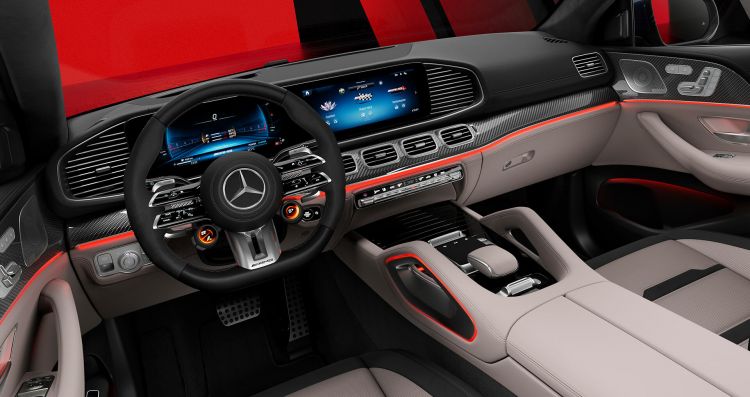
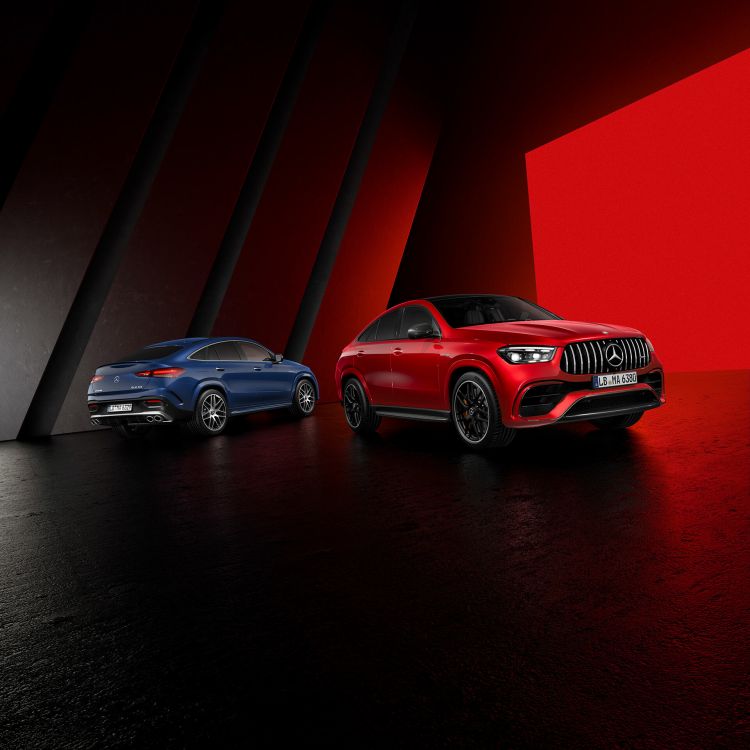
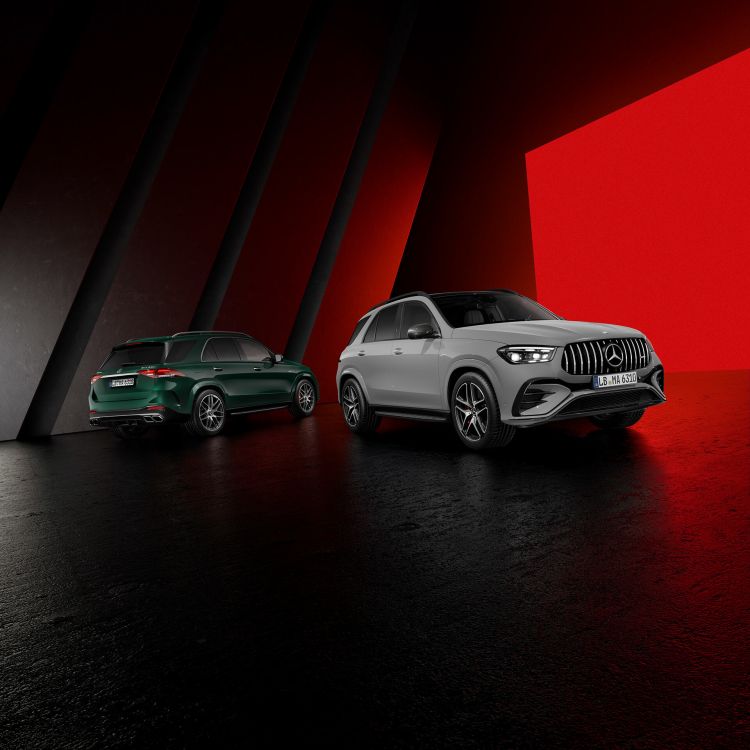
    With its update, the Mercedes GLE and GLE Coupé manage to overcome the 100-kilometer barrier without consuming a drop of gasoline or diesel in its plug-in hybrids

    Diesel and gasoline microhybrids with ECO label

    Mercedes-Benz has revised its range Mercedes GLE and GLE Coupé, a high-end SUV that is offered with two bodies, a traditional SUV and another with a sportier design, called the GLE Coupé and a range of diesel and gasoline engines available, in both cases, with two technologies, the 48-volt microhybrid and consequently with the ECO label, and the plug-in hybrids with autonomies that already exceed 100 kilometers and with the Zero Emissions label.

    Regarding the microhybrid offer, the Mercedes GLE and GLE Coupé range has three engines, diesel and gasolinewith a 15 kW (30 hp) electric support motor:

    1. GLE 450 4MATIC (petrol): 381 HP (+20 HP)
    2. GLE 300 d 4MATIC (diesel): 269 HP (+20 HP)
    3. GLE 450 d 4MATIC (diesel): 367 HP (+20 HP)

    Diesel, or gasoline, with more than 100km of autonomy

    In addition to rich equipment and design innovations, the Mercedes GLE and GLE Coupé range has also improved the autonomy of its plug-in hybrids, which according to WLTP reach 105-109 kilometers with a full battery recharge. An improvement that has been achieved without the need to increase the capacity of its batteries, which is still 31.2 kWh.

    Which in realistic conditions means being able to travel more than 80, or even 90 kilometers, with a full recharge.

    Having a diesel plug-in hybrid and a gasoline one:

    1. GLE 400 e 4MATIC (petrol): 280 kW (381 hp)
    2. GLE 350 from 4MATIC (diesel): 245 KW (333 HP)

    As we told you, plug-in hybrids with great autonomy are experiencing a boom in high-end products like these. Let’s think that the Mercedes GLE and GLE Coupé range exceeds, respectively, €80,000 and €95,000 in its most economical microhybrid versions. We are talking about products that are not accessible to anyone.

    But, at this point, we cannot avoid mentioning one of the most interesting rivals that will arrive in Europe this year. A Chinese-made product, the WEY Coffee 01, which due to its focus, performance, and equipment, directly aims to compete with the GLE range of Mercedes-Benz and the alternatives of the German premiums. And it does so with a price that will be close to €55,900 (that is its price in Germany at the moment) and achieving an electric autonomy that is already close to 150 kilometers. What realistically means ability to go more than 100 kilometers (or even more than 130) without consuming a drop of gasoline on most daily commutes.

  • The motorists of the Civil Guard will launch in 2023 a tool that has nothing to do with fines

    The Civil Guard is one of the most respected and well-known bodies by Spanish citizens, especially its traffic section, in charge of managing and guaranteeing, as far as possible, a safe and pleasant circulation for the greatest possible number of drivers. With more than a century of history in the case of the Civil Guard and close to 65 years in the case of the Traffic Groupthe truth is that one of the most repeated demands by traffic agents in recent times is about to finally come true.

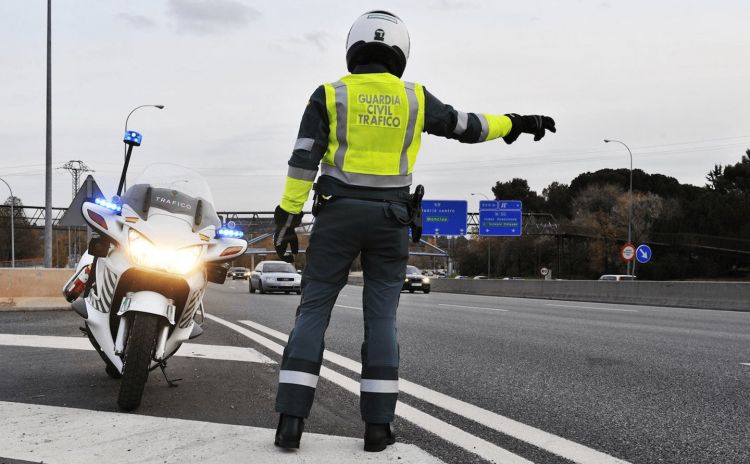
    Surely many drivers associate the existence of the Traffic Group with fines, sanctions, radars or surprise controls. The truth is that -unfortunately- the most visual part of his work is precisely that, although they are by no means his only functions. In fact, surely if you think of the Civil Traffic Guard you also think of the large displacement motorcycles that they use to move on the road, and that can even have small mobile radars installed.

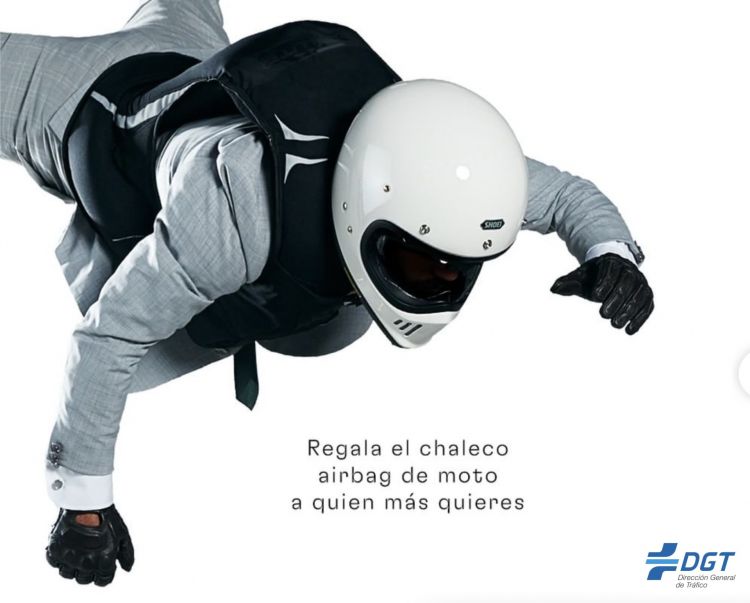
    Well then, It is precisely the Traffic motorcyclists who are going to receive an answer to what is undoubtedly one of their great demands in recent times: in 2023 they will receive a new tool that, far from serving to fine, will in fact serve to save lives, their own. We are talking about vests with airbags, an innovation that despite having been on the market for some time, has not yet managed to establish itself as a widely extended security measure.

    The Traffic Group will receive vests with airbags for its motorists

    The General Directorate of Traffic has put out to tender the tender for the contract through which about 3,600 safety vests with built-in airbags will be purchaseda measure that It will hit the streets later this year or early 2024. to all the traffic agents who use the large displacement motorcycles that we can see on a regular basis on the roads of our country.

    The director of the DGT, Pere Navarro, has been one of the great defenders and promoters of this measure, working on it for several years now. It has not been until now when the measure has become a reality, but It represents a great step forward that, in addition, gives rise to a possible modification of the General Traffic Regulations that implies the mandatory imposition of this system for motorists in a reasonable period of time, thus joining the basic and mandatory equipment that all motorcyclists must carry and use every time they use their motorcycle.

    Operation of a vest-airbag

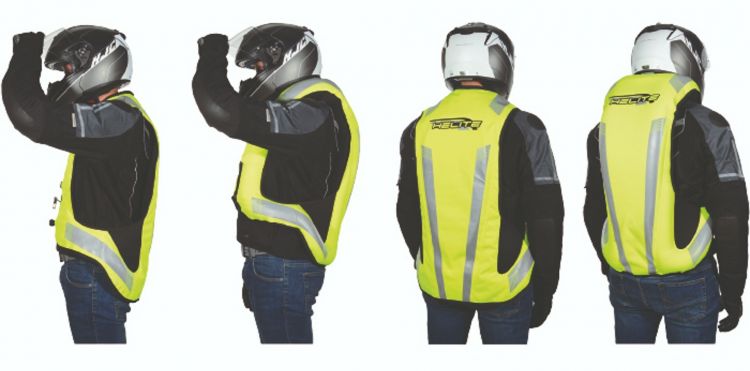
    Vests with built-in airbags are one of the safety elements that have proven most effective in recent years. Its operation is based on the information collected by a series of sensors installed in the vest itself. (generally gyroscopes and accelerometers) so that when a fall is detected, a signal is sent to a control unit, also integrated into the garment, which gives the order to deploy the airbag.

    This airbag inflates at the same speed as a conventional airbag like the ones we all carry in our cars, and its main function is to protect the soft areas of the rider’s chest and back, parts of the body in which 35% of motorcyclists killed and more than 25% of those hospitalized suffer significant injuries.

  • Tata wants to install its battery factory for electric Land Rover and Jaguar in this Spanish city

    When Tata confirmed that it would build a battery factory for electric cars with the aim of boosting supply chains in Europe, nothing was known about the location of this plant. Now we know that The Indian company has set its sights on our country for its facilities, but we are not the only ones in the bid: The United Kingdom is the other candidate.

    Last month, PB Balaji (CFO of Tata Motors) revealed that they were considering locating factories in India and Europe where the batteries for their electric vehicles will be produced. The one from the ‘Old Continent’ will be in charge of provide this component to Land Rover and Jaguar, whose models are assembled in Slovakia and the UK.

    The funds of Spain for the electric car

    The information of Reuterscollected by Automotive News Europereveals that in the last months of 2022, Tata contacted the Government of Spain to inform him that he was considering building a factory in our country or in the United Kingdom. At the moment, none of those involved have ruled on the matter and the question is obvious: what options do we have to be chosen?

    There are two main advantages: Spain is still a member of the European Union, while the United Kingdom ceased to be after Brexit. Our country also has the funds that the European Union has allocated to promote the manufacture of electric cars and batteries. A strong backing that we all know as PERTE: Strategic Project for Economic Recovery and Transformation.

    Tata is aware that, since 2021, Spain (the second largest car-producing country in Europe behind Germany) has an ambitious program to attract investments related to electric vehicles thanks to these European funds. A program that, in 2022, due to technical and administrative problems, only assigned 877 million of a total budget that amounts to 2,975 million euros. The remaining funds will be disbursed in new phases, foreseeably in the month of March according to the forecasts of the Ministry of Industry, and the Indian group could benefit from it.

    Zaragoza, the chosen one

    According to information handled by Reuters, Tata has already met both with the Government of Spain and with that of Aragon: this would be the community chosen for its battery factory. So much so, that they would have already visited the potential location for the plant: it would be in Zuera, a town located about thirty kilometers from Zaragoza.

    It is there where the Zuera Logistics and Industrial Platform is located, which will have 150 hectares Of surface. This is the same location that Volkswagen considered for its battery factory, which is finally being built in Sagunto (Valencia) so that, starting in 2026, it supplies this component to Martorell and Pamplona, ​​where models for Volkswagen, Audi, Cupra will be manufactured. and Škoda.

    There would be one last advantage for our country: Tata’s presence in Aragon would not be a novelty. The Indian group had, in this autonomous community, the Hispano Carrocera bus factory, the Seriplem concrete mixer truck factory and the Lebero vibratory compactor factory.

  • This is the electric car with which Nissan wants to travel the almost 30,000 kilometers that separate both Poles

    It was Nissan’s first electric SUV and it burst onto the market, in 2020, with a very daring design and very modernist lines. It is one of those cars that the motor world qualifies as polarizing: either you like them or you hate them. Which Few could imagine that he would be chosen to travel the almost 30,000 kilometers that separate the North Pole from the South Pole.

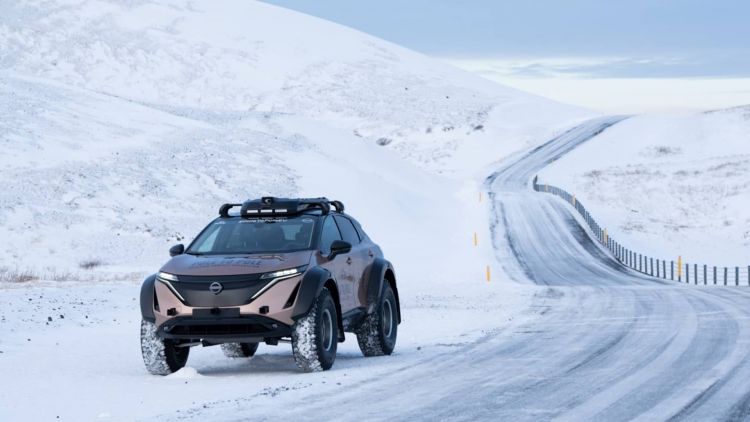
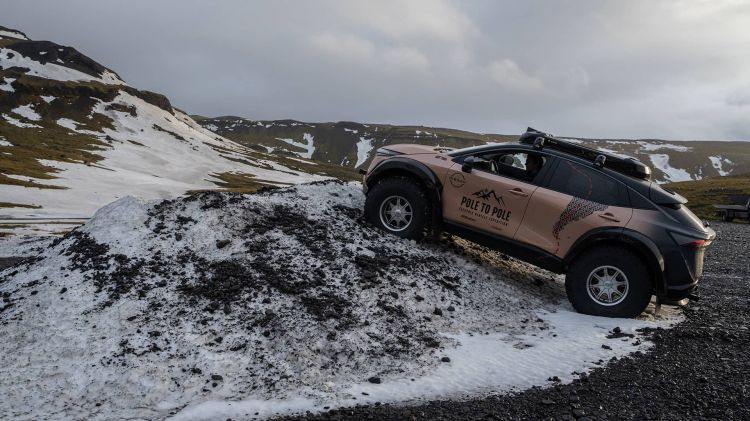
    The chosen one is none other than the Nissan Ariya: this electric car will cover the 27,358.84 kilometers that separate both Poles in an adventure that will begin next March: It will last ten months and they will pass through fourteen countries. An expedition that they have been preparing for the last four years and that has never been attempted before: they will put an SUV designed for asphalt to the test in extreme terrain, icy surfaces, deep snow, desert dunes and mountains.

    The same motor and the same battery

    The person in charge of fine-tuning the Nissan Ariya has been Arctic Trucks, a company specialized in vehicles for polar expeditions. They have collaborated with Nissan’s design and engineering teams to carry out minimal modifications. They only had to meet one premise: both the engine and the battery had to be production ones to demonstrate the car’s capabilities.

    Thus, the Nissan Ariya that will travel from Polo to Polo will be the Performance version equipped with two engines that develop a power of 389 CV and have a torque of 600 Nm. A scheme that is associated with the e-4ORCE all-wheel drive system of the Japanese brand. The one in charge of providing the necessary energy will be an 87 kWh battery, which, according to the WLTP Cycle, promises 400 kilometers of autonomy.

    Changes to the Nissan Ariya

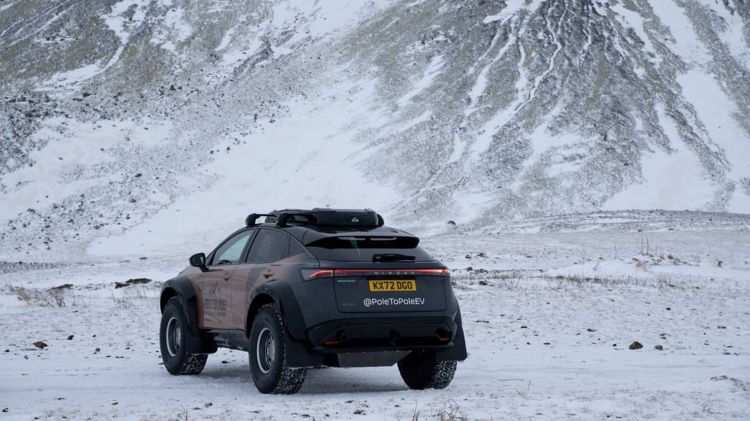
    What have changed have been the wheel arches: the protectors are new and they are also wider to accommodate some B.F. Goodrich tires, They ride on 39-inch dual-valve alloy wheels. Ground clearance has been increased by 11 centimeters and the suspension has also been tuned to work in conjunction with the e-4ORCE system: these modifications will allow the Nissan Ariya to tackle extreme terrain… where you won’t find many charging stations Not many chargers.

    For this, the Nissan Ariya of Arctic Trucks you will need to tow a portable renewable energy unit: It is equipped with solar panels and a wind turbine that is as compact as it is light. This system will take advantage of strong winds and long hours of daylight to charge the vehicle’s battery. Optional equipment also includes a coffee machine and a drone that can be launched directly from the unit located on the roof.

    the other protagonists

    Chris and Julie Ramsey will be aboard the Nissan Ariya. It is not a new adventure for them: for the last ten years, they have been testing the limits of electric cars. They were the first people to complete the 17,000 kilometer Mongolian Rally in their own Nissan Leaf.

    They have been the ones who have established the condition of retaining some of the standard features of the Nissan Ariyasuch as motor and battery. They always make the minimal changes to demonstrate the real, everyday capabilities of the vehicle that accompanies them, regardless of where you’re driving.

  • The exciting story of the only police Ferrari 250 GTE

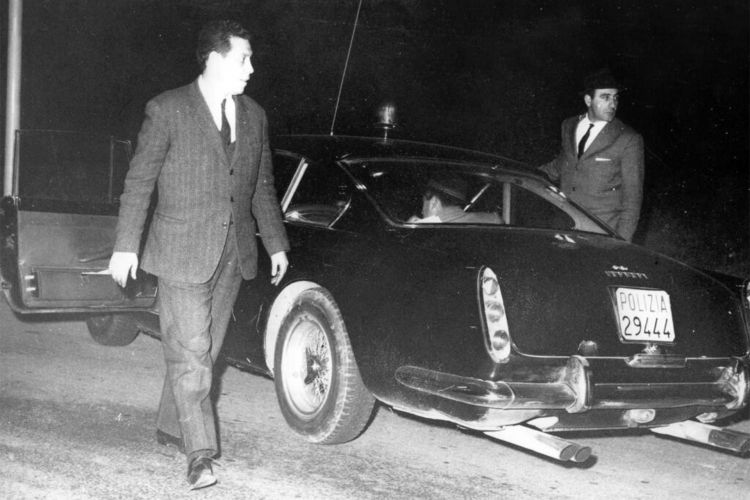
    In the 1960s, Rome was immersed in a wave of crime, encouraged by the mafias that roamed freely through the eternal city. Car chases were the order of the day, but the police were unable to catch up with all the criminals. Even with their Alfa Romeo Giulia 1600 they were not able to catch criminals who were faster and more intelligent. It was then that police officer Armando Spatafora was asked what did he need to be able to catch more criminals. Neither short nor lazy, he replied “I need a Ferrari”.

    Along with three other officers with extensive experience and success in fighting crime, he received a evasive and high speed driving course in Maranello – at the Ferrari house. At the end of this course, the Squadra Mobile of Rome was brought back to the capital two Ferrari 250 GTE 2+2. Built in 1962, these sleek, powerful, and extremely expensive luxury coupes were the ultimate weapon in high-speed pursuits. They were delicate cars to drive, and a few weeks after being released, one of them suffered a total loss.

    These cars were known as “Panthers”, as the illustration on their front wing gives away.

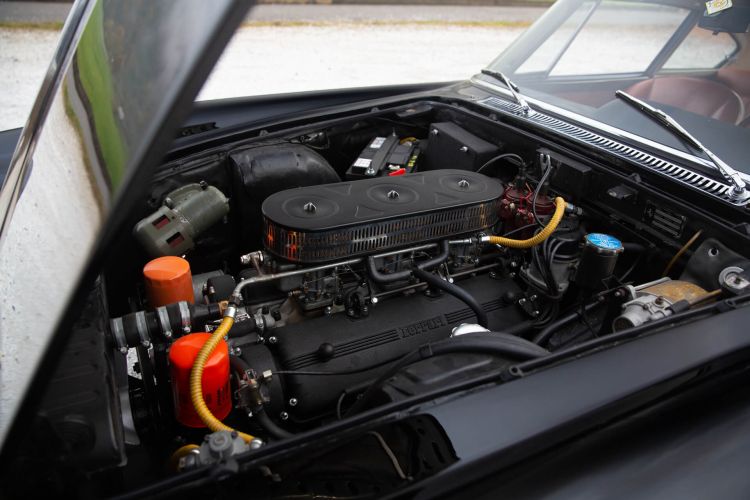
    The other unit, with chassis number 3999, is the one that stars in this article, being for sale at Girardo, one of the best European luxury car dealers. That Ferrari 250 GTE 2+2 rode the Legendary V12 “Colombo” engine, three-liter displacement and 240 hp power – its four-speed manual gearbox sent its power to the rear. Although it is not excessively powerful by today’s standards, consider that the average car in Italy at the time was a FIAT 500 that barely reached 40 HP.

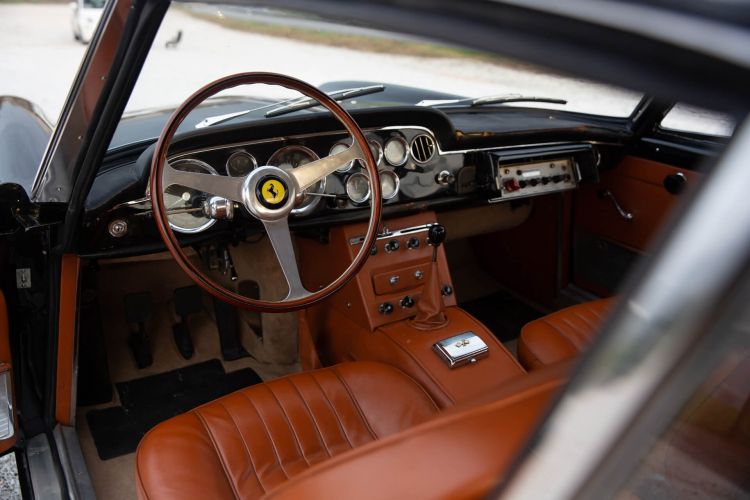
    Built on a chassis of stringers and cross members, its bodywork was courtesy of the artists of Pininfarina, who created a beautiful car like few others. Its interior was luxurious and comfortable, with brown leather seats, a wooden steering wheel and beautiful analog instrumentation. Car remained in service with the Squadra Mobile for six years, religiously maintained by Ferrari in Maranello, and sparing not a single lira on repairs. Spatafora was unstoppable at his controls, and became a legend in that Rome of the sixties.

    It still mounts its original license plates. Its authenticity was certified by Ferrari Classiche in 2014.

    In fact, it was a matter of prestige in the criminal world to beat Spatafora in a manhunt. Car it was withdrawn from service in 1968 and in 1972 it was sold at public auction of military surplus. Alberto Capelli, his buyer, knew exactly what he was buying. AND decided not to restore the car, which today retains its original interior and mechanics. Spatafora reunited with the car in 1984 at the Coppa delle Dolomiti, and in 2000, it was exhibited at the then newly created museum of police vehicles in Rome.

    The car has participated in countless Ferrari Classiche events and to this day, it is the only civilian car that is authorized to carry the emblems of the Squadra Volante and a blue light on the roof. As is logical, it is a very high value car, and Girardo currently does not communicate its price. But rest assured that its price will be at least seven figures.

  • This is what happens when you buy the cheapest turbo on Amazon for a PT Cruiser (+ video)

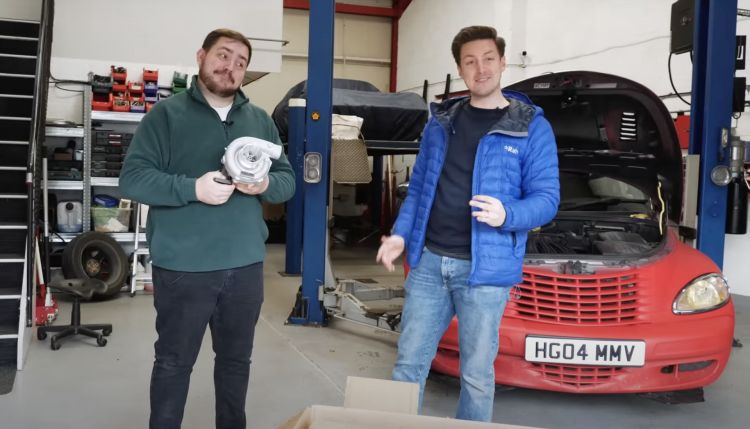
    When we talk about pages like Amazon, we can find thousands of products for our car, including some of dubious quality or effectiveness. And although it is true that reviews help, a video of someone trying all those elements that nobody dares to buy is much more intuitive. And that someone is OVERDRIVE, an English YouTube channel that has dared to buy the cheapest turbo available on Amazon and install it in its particular guinea pig, a Chrysler PT Cruiser.

    And it is that our protagonists have a video thread dedicated solely and exclusively to testing components in the little-loved American compact. But the final climax comes with what promises to be the cheapest turbo on Amazon, a category that it acquires by offering for a more than interesting 132 pounds, which has been 148 euros to change.

    This Happens When You Install Amazon’s Cheapest Turbo On A PT Cruiser

    But before proceeding with the installation, the folks at OVERDRIVE take the PT Cruiser to a dyno to find out for sure how much power it currently makes. And after a run-in with some bad pads, which for many is one of the worst automotive creations of the 21st century. manages to declare 119 CV and 174 Nm of torque.

    But the truth is that to improve these figures, not only a turbo is enough and that’s it, but also you need a specific kit to transform an atmospheric PT Cruiser into a supercharged car. This implies an outlay of 1,330 pounds, the equivalent of 1,491 euros, to which must be added that youtubers have been the first to buy a transformation kit for a Chyrsler PT Cruiser. Or what is the same, added emotion.

    After not a few problems to install the turbo in the bowels of the compact, the OVERDRIVE guys go back to the power bank. Lots of black smoke and a few pops later, the Chrysler PT Cruiser develops 164 hp and 218 Nm of torque. It’s certainly not a daunting difference, but let it all be for science.

Back to top button