• If you have the 54,850 euros that the final compact costs, keep it, because you still won’t be able to spend it on it

    One of the most anticipated arrivals of 2022 was the new Honda Civic Type R, a compact that promises to become the fastest front-wheel drive on the Nürburgring. But man does not live by time, and the compact Japanese also ensured sensations everywhere at his command. And I write this last sentence in the past because, at the moment, you will not be able to spend the 54,860 euros that the Japanese firm asks for it or the 34,100 euros that it asks for the conventional Civic. The reason? They have stopped production due to high demand and the impossibility of covering all orders.

    That’s right, Honda has stopped the presses in search of better organizing the gestation of its flagship product and avoid a bottleneck. This decision is not only caused by the Civic requests, but also by the microchip crisis and the difficulty in obtaining certain components that is slowing down any production process.
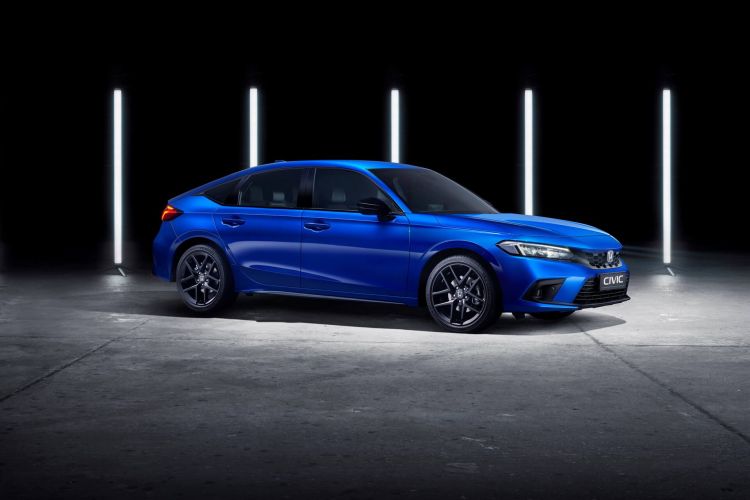
    Honda for, for the moment, the production of the Civic and Civic Type R

    In a first instance, the production that was going to stop was that of the conventional Honda Civic, surprising that, given the price and that it is a very niche car, the Type R is also affected. But it is clear that the most petrolhead They are clear about where to go when it comes to getting a sports compact, and the brand has noticed this when it comes to also covering its manufacture.

    This is affecting Japan and much of Europe, demonstrated by the withdrawal of the Civic and Civic Type R from the configurator, something that happens in Spain. Thus, and until further notice, the Honda compact will remain off the market, forcing its potential customers to wait until the situation returns to normal or to go directly to the competition.
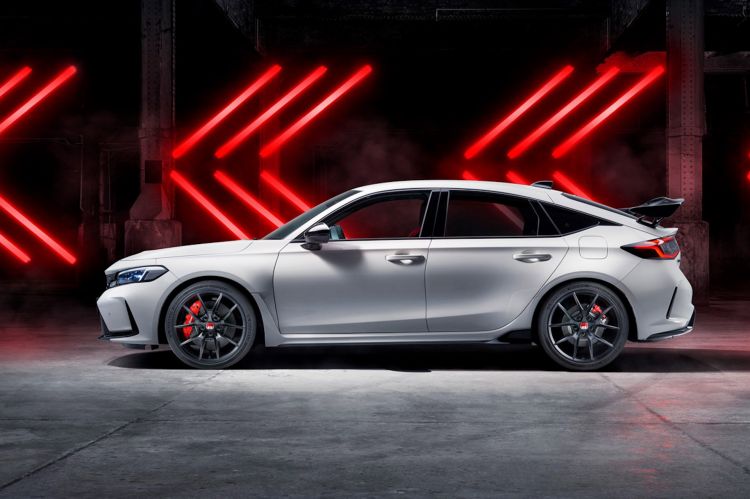
    for now, Honda does not predict a date to restart production, but they confirm that it is a measure that they have taken to prevent those who have already bought the car from suffering a delay in its delivery. And the way to prevent this is none other than to temporarily close orders for both versions, causing the range to be made up, for now, of the Honda e, CR-V, HR-V and Jazz.

    After all, we are talking about two products that have always worked well for the Japanese house. On the one hand, the conventional Civic was established for the first time in its history as a hybrid, offering the ECO label with a 2.0-liter naturally aspirated engine and 184 CV; and on the other, the incombustible Type R, a 320 hp compact with a manual gearbox that points out ways to break a new record at the Nürburgring.
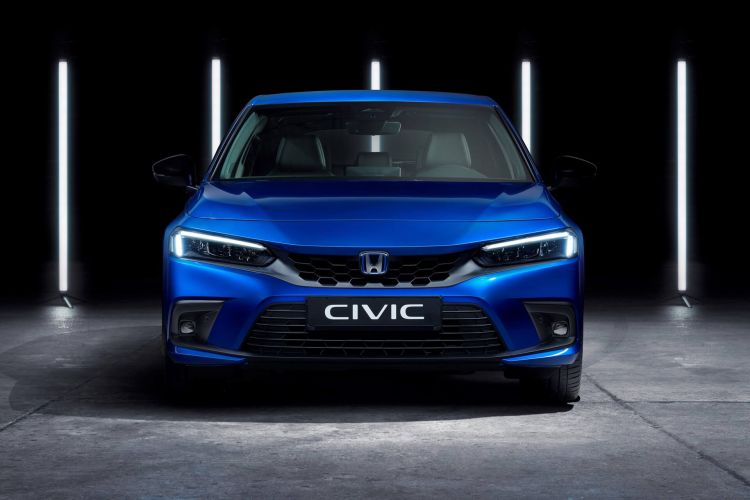
    And it is that despite the conventional Honda Civic starting from 34,100 euros and the Type R from 54,850 euros, both have generated furor in a clientele that perhaps was waiting for something different. Be that as it may, they will not be able to enjoy it for at least a while, and it is that perhaps it will not be until summer when Honda has managed to normalize the situation and give a new green light to the manufacture of the Honda Civic.
  • Hyundai goes all out, green light to Genesis and its rival for the Mercedes SL

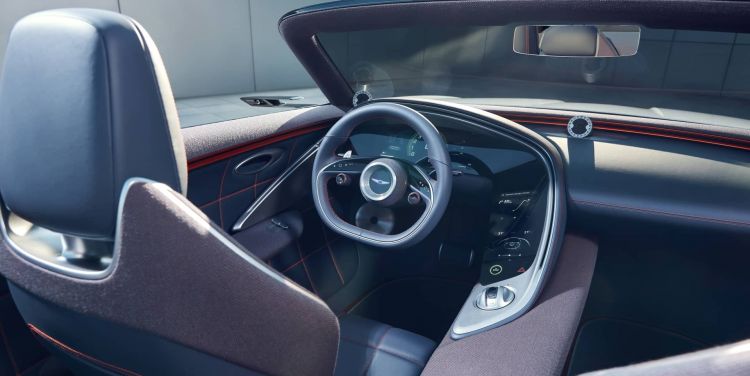
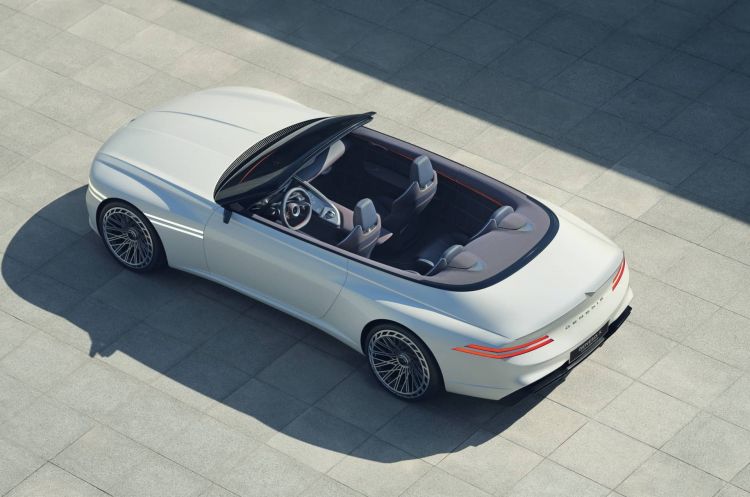
    At Hyundaiadi they go all out with their premium signature Genesis. Knowing that competing with brands like Mercedes, BMW or Audi is not an easy task, at Genesis they are willing to risk with each new release. And it is for this reason that the Genesis X Convertible just got the green lighta luxurious convertible presented in prototype format, but which has everything to compete with rivals such as the Mercedes-AMG SL or the Bentley Continental GT Convertible.

    At Genesis they are immersed in a long-distance race with which they want to achieve positioning – and recognition – in the premium market in the medium-long term. Property of the Hyundai group, it is not the first time that we have seen a project as ambitious as that of Genesis, however the new Korean premium firm wants to avoid the failure that other rivals had to face, betting on an approach that for now is working quite well in South Korea and the United States.

    And although its range has grown enough to have up to 6 different models and undertake the landing in Europe, now the brand seeks to have a halo car that serves as a rolling showcase in terms of luxury, technology and exclusivity. That model is called Genesis X Convertible and we met him at the last Los Angeles auto show held in 2022. Sporting an imposing convertible body in a 4-seater configuration, it was a car that already showed an execution very close to what its production version could be, being this now confirmed by the brand’s chief designer Luc Donckerwolke.

    The Genesis X Convertible aims to rise as one of the references among luxury convertibles, also being 100% electric

    This convertible will be developed on a 100% electric platform, remaining to be discovered if it will hit the market with the retractable hardtop shown in the concept or finally bet on a more common canvas roof as is the case with the bulk of its rivals. The objective of Genesis in this sense is clear, giving life to a luxury GT that is located in the segment where cars like the Mercedes-AMG SL, the Porsche 911, the Bentley Continental GT or the new Maserati GranTurismo are active. This model will still take time to reach the streets, with speculation that 2025-2026 will be the period in which its launch could take place.

    Font: AutomotiveNews

  • Open-air enjoyment costs 250 euros per month with this convertible, but what does the fine print say?

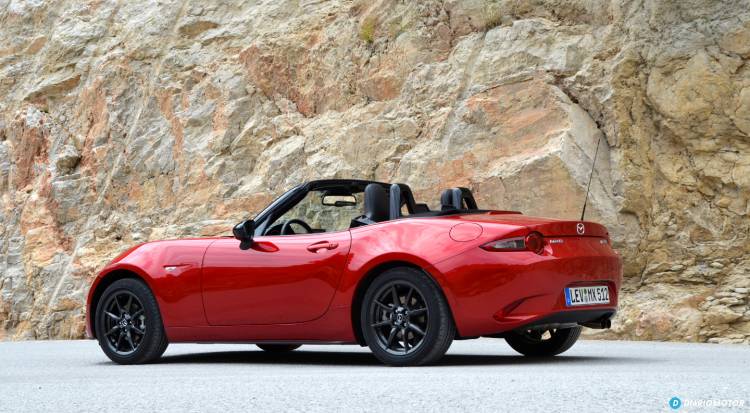
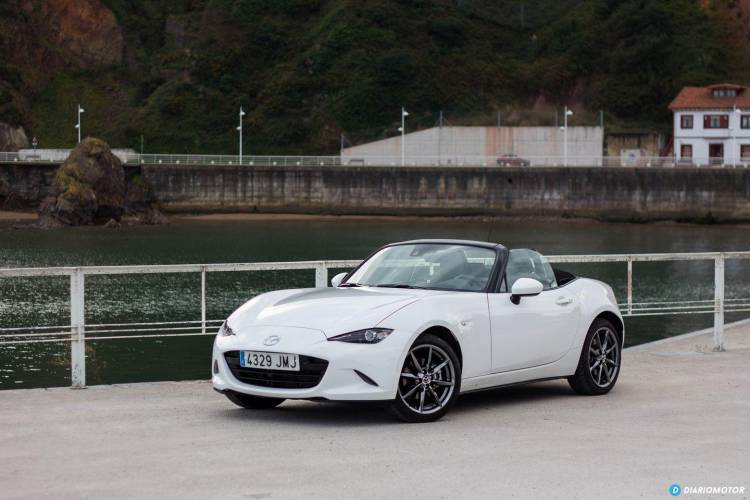
    There are those who firmly believe that convertibles are for the summer and there are those who affirm that they are suitable for any time of the year. I, personally, am more in favor of this last group, and that is why it strongly strikes me that we can enjoy the pleasure of driving in the open air for 250 euros per month. And the person in charge of leaving said apparently attractive price on the table is none other than the Mazda MX-5, although yes, we must read the fine print.

    And it is that the Japanese firm requires financing to be able to get hold of the mythical Miata for less than 300 euros per month. Specifically, it is a multi-option systemwhich implies that a final installment is established by contract that alleges the residual value of the car once the payments have been completed, and that is only faced if we want to keep the car.

    This is the Mazda MX-5 that can end up in our garage for less than 300 euros a month

    But before talking about numbers, it is necessary to clarify that this attractive price is associated with a specific configuration for the Mazda MX-5. This is none other than the Origin finish with the 132 hp 1.5 enginethat is, the two access options when combined with the body with a canvas roof and not with the MX-5 RF with a rigid roof.

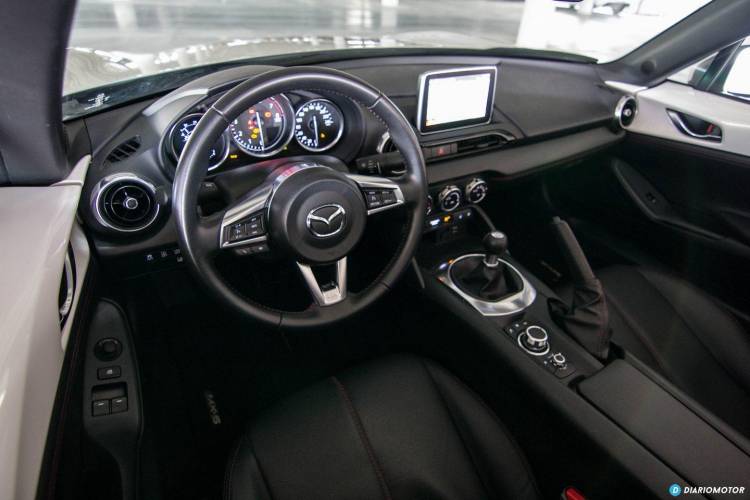
    Be that as it may, the Miata offers more than enough standard with equipment consisting of 16-inch wheels, keyless start, air conditioning, electrically adjustable rear-view mirrors, LED lights, cruise control and a 7-inch touch screen with Connection with Apple CarPlay and Android Auto among others.

    In terms of mechanics, the Japanese sports car uses a humble but reliable 1.5-liter naturally aspirated four-cylinder producing 132 bhp and 152 Nm of torque. These figures are sent solely and exclusively to the rear axle, and are managed by means of a deliciously tactile six-speed manual gearbox to allow a 0 to 100 in 8.3 seconds and a top speed of 204 km/h. The best of all? That all this is paired with a combined consumption of 6.3 liters per 100.

    Now, what are the conditions that Mazda imposes to get us the MX-5 for 250 euros a month? The first is none other than an entry of 6,244.64 euros, a first installment of 233.77 euros, 34 installments of 250 euros and the trickiest point, a last installment of 17,921.60 euros. To all this we must add a maximum annual mileage of 30,000 kilometers, a TIN of 8.15%, an APR of 9.86% and an opening commission of 654.31 euros.

    This causes interest to rise to 4,845.01 euros, achieving, in turn, that the total price in installments for the Mazda MX-5 is 33,554.32 euros. It is not a scandalously high figure for a convertible sports car, but it does seem somewhat high compared to the 28,855 euros that it costs in cash. But being a multi-option system we find ourselves with that last high fee, although we do not have to face it, something that can happen if we decide to return the car or start a new financing with another vehicle.

    The Mazda MX-5 in What car do I buy?

    As a general rule, in this section we take the opportunity to offer alternatives to the car itself through What car do I buy?, the Diariomotor comparator. However, it’s hard to find a direct rival to the Mazda MX-5 for price, having to go with considerably more expensive options like an Audi TT Roadster for 53,190 euros either a BMW Z4 for 57,600 euros.

    However, there is a way to make the purchase of the Mazda MX-5 cheaper, and we find it in the market secondhand. And it is that there where We can find units of the latest generation Miata for less than 19,000 eurosand even with the top-of-the-range mechanics.

  • Toyota Aygo Crazy or when the Japanese brand turned its urban into a 200 CV rear-wheel drive sports car

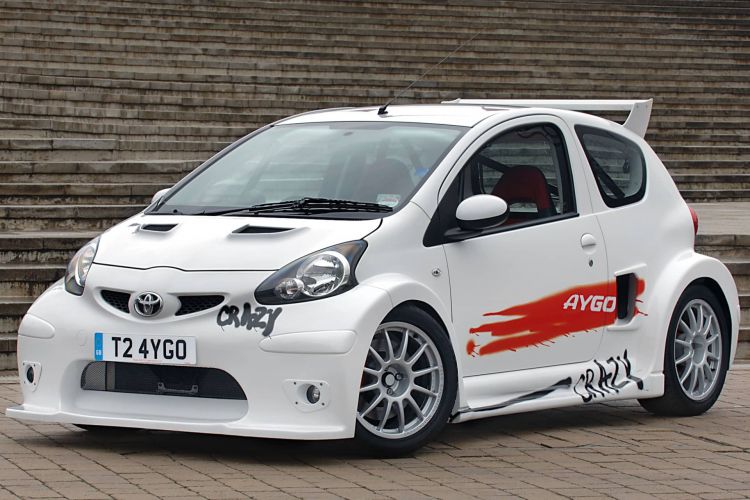
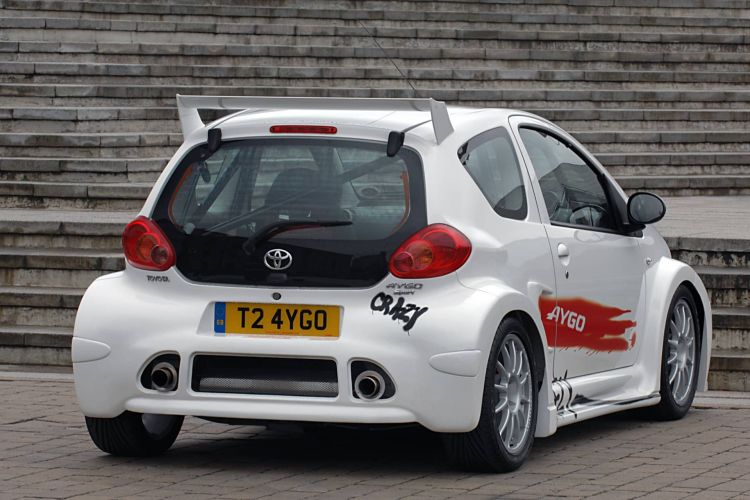
    The Toyota Aygo is the perfect urban: it is small, easy to park, reliable and has a fairly good consumption. What if Toyota took this practical, no-nonsense car and turned it into a 200bhp, rear-wheel drive sports car? The answer exists and is called Toyota Aygo Crazy.

    It was in 2008 when Toyota asked this question and decided to answer it… investing just over 100,000 euros at the time. With this budget, the engineers had a free hand to raid the Japanese brand’s parts warehouse: there they found the perfect part around which they would orchestrate the Toyota Aygo Crazy.

    The engine of the Toyota Celica and MR2

    The Japanese urban said goodbye to its engine, a 1.0 gasoline that developed 68 CV, to welcome the 1.8 VVT-i: Yes, the block in charge of driving the Toyota Celica and the Toyota MR2. This mechanical configuration must not have seemed enough to them, so they added a turbo and its 140 CV became 200 CV; the maximum torque was 240 Nm. Compare the figures and you will get an idea of ​​the differences.

    It was complemented with a custom refrigeration system, a suspension signed by MacPherson and adjustable shock absorbers from Tein. The front and rear tracks are 2.5 centimeters wider than the standard ones, and by the way, the Toyota Aygo Crazy had neither ABS nor power steering.

    Your acceleration ability

    This configuration provided the small urban with completely sporty performance, but coming up with the idea was not easy. The reason? The engine that he had inherited did not fit in his vain. Toyota found the solution to this problem in the Renault 5 Turbo: they moved the block to the back and, for this, they eliminated the rear row of seats. This change led them to modify the traction: the 200 CV of the Toyota Aygo Crazy went directly to the rear axle.

    With a weight of 1,050 kilos, the sports version of the Japanese urban reached a maximum speed of 204 km/h It was capable of going from 0 to 100 km/h in 5.75 seconds: a time that improved that of the Renault Clio V6, which, equipped with a V6 of 230 CV and 300 Nm, achieved that acceleration in 6.4 seconds.

    A handcrafted and tailored bodywork

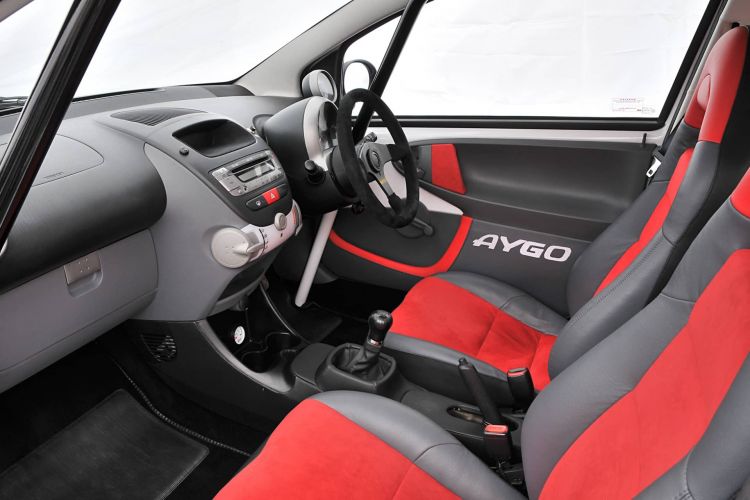
    It seemed, at first glance, that the Toyota Aygo Crazy had only received a kit to modify its aesthetics: the truth is that its bodywork was handmade and made to measure. It was painted white and adorned with some graffiti. In addition to the widened tracks, it sported 17-inch wheels, a rear spoiler made of carbon fiber and a dual exit exhaust. The interior was done by O’Rourke, installing custom-designed sports seats with four-point safety harnesses, a Sparco steering wheel and a roll cage.

    It was unveiled at the 2008 London International Motor Show and Toyota’s only goal was to show the world how creative it could be. It’s a shame that the Toyota Aygo Crazy was a one-off and they never entertained the idea of ​​taking it to production, not even as a limited edition. It wouldn’t have been very practical, but it would have been a lot of fun.

  • The wonderful history of the Spanish water motor, ridiculous, unfeasible or half a century ahead of the industry?

    We recovered this story as a continuation of our report The water motor: a Spanish invention from 50 years ago that could change everything, or not whose reading is more than recommended.

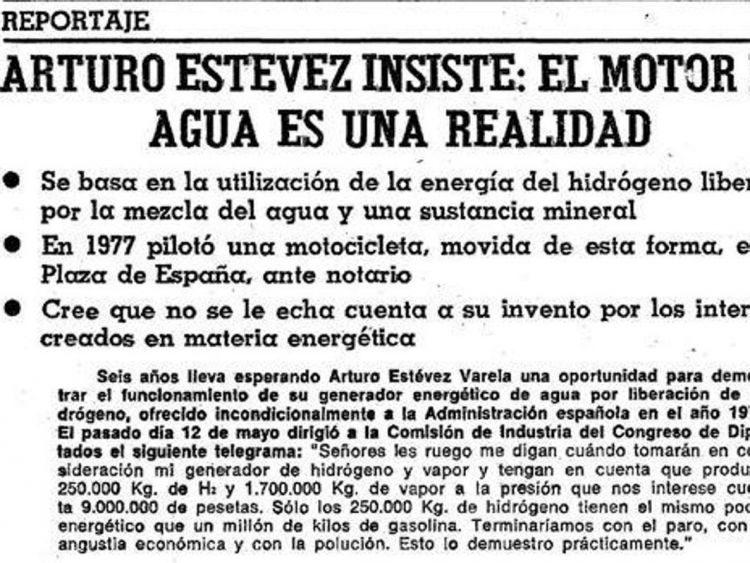
    “The inventor from Extremadura, Mr. Estévez Varela, has shown once again that his water motor is not a hoax”. Thus began one of Arturo Estévez’s appearances in the 1970s in the Spanish Cinematographic News, better known as NO-DO, which RTVE would recover decades later to prepare the report that you can see in this article.

    A story that we have already covered in Diariomotor, with the article by my colleague José Luis on the water motor, the Spanish invention from 50 years ago that could have changed everything, or not.

    Being this a must-read article that led me these days to come across another video report that presents us with some of the keys about the history of the water engine. Keys and sufficient arguments so that the viewer can base an opinion on the matter and consider if it was ridiculous, as Francisco Franco is said to have mentioned to try to prevent the matter from being discussed again; unviable, as defended by some experts today; or an engine concept that was half a century ahead of the industry.

    Arturo Estévez’s water (or hydrogen) engine continues to arouse legend and fascination in equal parts today, at a time when hydrogen is on everyone’s lips as an effective instrument for the energy transition

    Arturo Estévez’s water (or hydrogen) engine

    Today hydrogen and electric cars are on everyone’s lips. The future is only understood through electric cars that will work using energy stored in batteries, or the electrical energy produced in a fuel cell that consumes hydrogen, preferably green hydrogen. Along the way, many other alternatives have emerged, neutral synthetic fuels, or even internal combustion engines adapted to run on hydrogen.

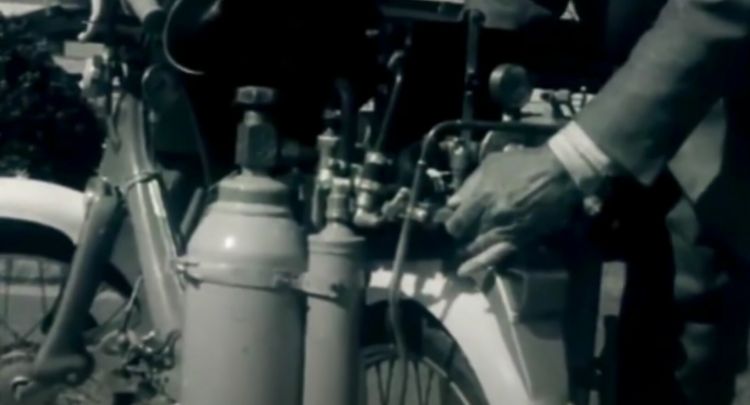
    And it’s no secret that Arturo Estévez’s water engine was actually very similar to the latter, a hydrogen engine that was associated with a generator that transformed waterwhich Arturo himself drank and then poured from a jug into the tank of the motorcycle with which he carried out his exhibitions, in hydrogen.

    A motorcycle that had been adapted, first, so that its internal combustion engine ran on hydrogen. And secondly, to obtain that hydrogen from the reaction produced between the water in the reservoir and a mysterious mineral that, without a doubt, is largely responsible for the history of Arturo Estévez’s water motor that has survived to this day surrounded by legend and fascination with equal parts.

    Arturo Estévez’s invention consisted of a generator, which transformed water into hydrogen using a mineral, and a four-stroke engine modified to run on hydrogen

    Turning water into hydrogen

    Transforming water into hydrogen using a mineral, and not other solutions such as electrolysis, was not a hoax. In fact, two options are considered that, in their day, were considered the true secret of Estévez:

    • The first, and the one that the Regime would have determined before the expectation generated by the invention of the water motor, that it was boron. A mineral that even today is still very expensive, to the point where a trip of 100 kilometers on this motorcycle could exceed €4,000.
    • The second theory, that it was ferrosilicona solution to transform hydrogen into water that would also have been used in hydrogen generators of the military industry of the time, which would be much more accessible and cheaper.

    Be that as it may, It is hard to imagine that the project could have been viable. As we said, today there are many manufacturers that are betting on hydrogen, associated with a fuel cell to power an electric motor that can move a vehicle. Hydrogen still presents some problems, such as its cost and its availability, which in the future are expected to be resolved through an entire economy built around hydrogen.

    Other manufacturers are even coming to propose ideas closer to that of Arturo Estévez. That although it is true that it does not transform water into hydrogen in the vehicle itself, they would be designed to refuel hydrogen and use it to feed an internal combustion engine. An interesting solution, as it would give a second life to internal combustion engines in the future, but not without added problems, such as being much less efficient than the fuel cell.

    Video report of the water motor

  • Lamborghini Urraco 50th anniversary

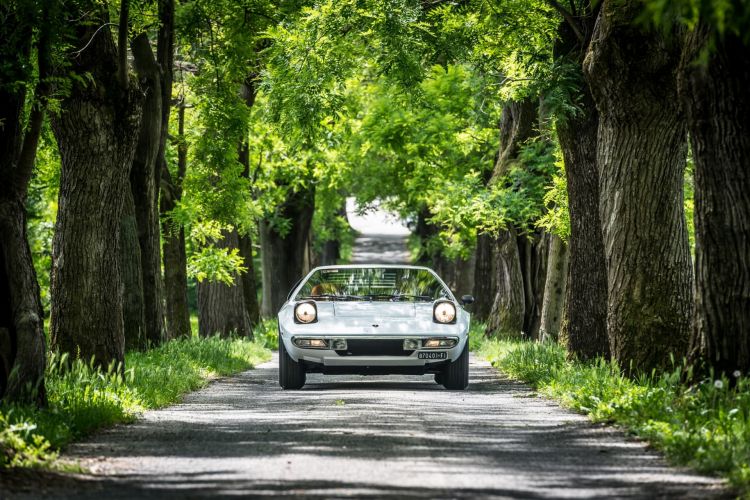
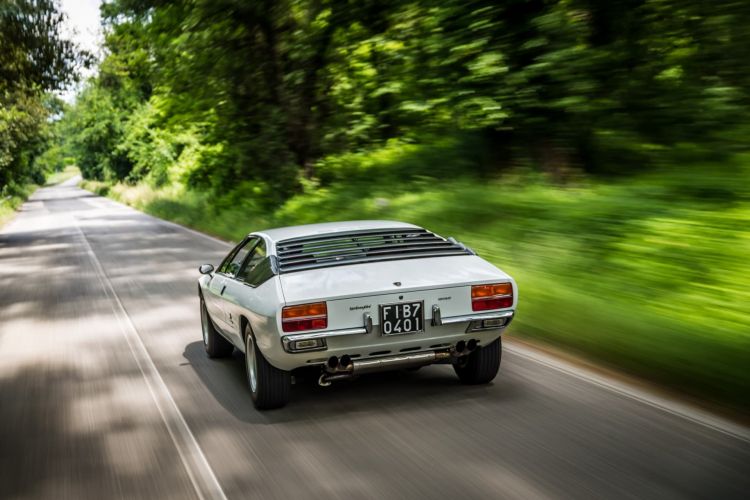
    50 years have passed since the Turin Motor Show of 1970 in which a model as mythical as the Lancia Stratos was presented, but also another not so well-known Italian sports car, the Lamborghini Urracoa 2+2 coupe with a mid-rear engine that was positioned as the entry step to the rangeLamborghini and that playing the trick of a lower price aspired to attract potential customers of the Maserati Merak and Ferrari Dino. So, and in case you were wondering, its name honors bulls that have black and white hair, just like magpies.

    The design of the Urraco is the work of Marcelo Gandini

    At the end of the 60s Lamborghini had in its range an amazing Miuraa supercar with a V12 engine that started at the 350 CV of the basic version, and that, as is logical, not all the wealthy class of the time could afford it. Thus, it was Ferruccio Lamborghini himself who introduced the idea of create a more accessible model, with a more economical V8 engine and with a less traditional production system and more industrial. In this way, we can say that the Urraco is the forerunner of the Italian manufacturer’s access models, such as the most recent Lamborghino Gallardo or the current Lamborghini Huracán.

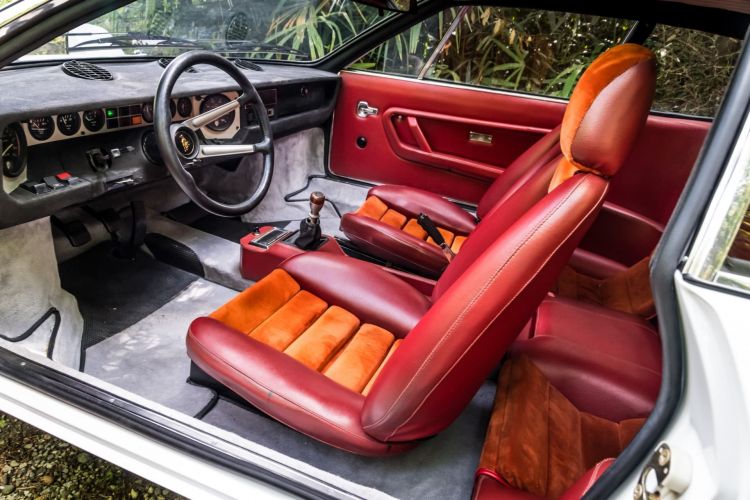
    To carry out the design of that project, they entrusted themselves again to Carrozzeria Bertone and in the pencil Marcello Gandini, creator of other icons such as the aforementioned Miura, the Alfa Romeo Montreal or the Lancia Stratos with which we began this article, among many others. Thus, Gandini drew a 2+2 sports car with a central rear engine and 4.25 meters in length with a relatively spacious interior for a car of this type.

    With central rear V8 engine up to 265 HP

    The technical part of the Urraco fell to the engineer Paolo Stanzani, technical director of the Sant’Agata Bolognese company at that time. Stanzani resorted to a McPherson independent suspension on both axlesas well as a compact V8 engine fast turning with 2.5 liter displacement that yielded 220 hp at 7,800 rpm., enough to reach 245 km/h and sign a 0 to 100 km/h in 6.9 seconds. In addition, this engine featured important technical newssuch as the use of a single overhead camshaft, in addition to a “Heron”-type combustion chamber housed in the piston head, which made it possible to manufacture a practically flat cylinder head and achieve a higher compression ratio without significantly increasing costs manufacturing.

    To that engine, corresponding to the version P250 (P of later -where the engine was placed- and 250 for displacement) that was produced between 1970 and 1976, joined in 1974 by the P200 and P300, with the same V8 but with different displacements. Thus, the P200 of 1,994 cc and 184 CV was mainly destined for the Italian market to avoid the tax pressure to which the most powerful vehicles were subjected, and the P300 with 265 CV as the most performance version.

  • Toyota’s best family car is this new Highlander XL where 7 adults can really travel

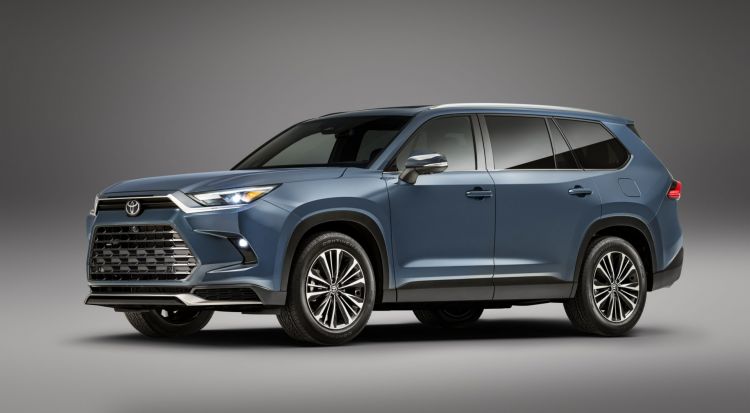
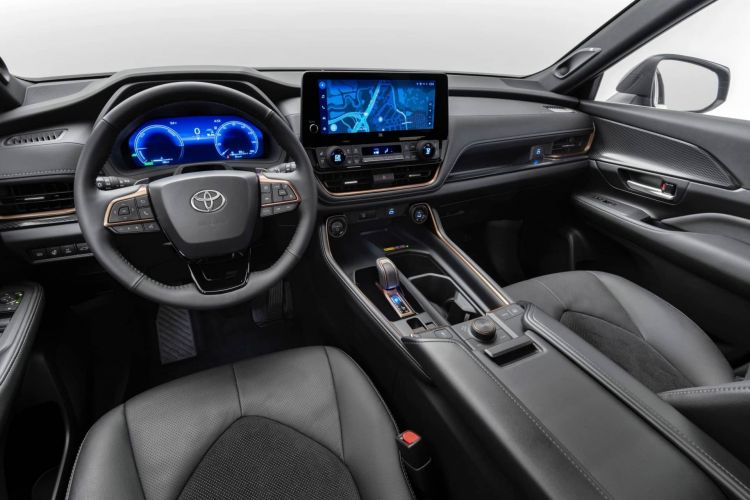
    Toyota’s largest SUV debuts an even larger versionis called toyota grand highlander and it is the relative that you would like to see in Europe, but that unfortunately it will be very difficult for us to see on this side of the Atlantic. Designed to be able to take the whole family and still enjoy a large trunk, the Grand Highlander will also be able to accommodate 7 adults insidesomething that is rarely possible in a car.

    On the occasion of the Chicago motor show, the Japanese firm Toyota has presented an important novelty in its range. designed as an even more spacious version of the Toyota Highlander that is sold in Europethe new Grand Highlander is a car that bets on its own philosophy by being a new model developed on the group’s TNGA-K modular platformthe architecture intended for the larger Toyota and Lexus models.

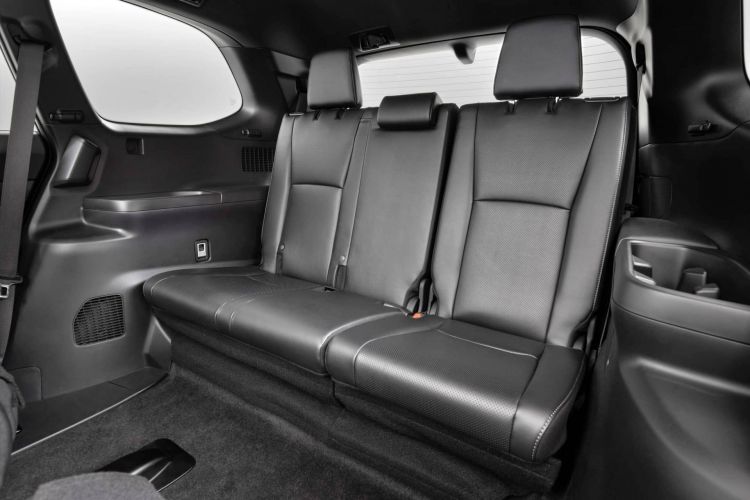
    Its exterior design evidences an evolution of the image seen in “our” Highlander, using a stylistic language where straight lines are more protagonists and where we also find a stretch of the body in order to gain that extra space for the trunk and the third row of seats. And it is that The best of the Toyota Grand Highlander is precisely in the rear area of ​​its cabinan environment that has been conceived to be able to enjoy different configurations, but where in all of them we find a lot of available space.

    Thus, the Toyota Grand Highlander will be marketed in 6-seat configuration with individual seats in the second row and a two-seater bench in the third row, or with a 7-seat configuration with the second and third row of seats making use of bench seats to make the most of the available space. Given its initial conception as a vehicle with 3 rows of seats in all its versions, The trunk offers a considerable cargo volume to be able to carry different packages or luggagebeing able to widely extend that space as soon as the third or even the second row of seats are folded down.

    But the most striking point of the Grand Highlander is the fact that it promises 7 true adult seats, thus distancing itself from the bulk of 7-seater cars where the last two seats are only suitable for children. In addition, all rows have specific ventilation outlets, drink holders (there are 13 in the entire cabin) and USB-C charging outlets (there are 7 in the entire car).

    In the North American market, which, a priori, will be the only one where this Grand Highlander will be sold, will be offered three different engines with powers up to 367 hp. Of these three engines, the two most powerful will be hybrids, including the most high-performance of all, which will be the same Hybrid Max configuration based on a 2.4 Turbo that the Lexus RX 500h has just released.

Back to top button